
LABORATORY INSIGHTS
How On-site Hydrogen Generation Improves Laboratory Reliability
01 — THE CONTEXT
Hydrogen is a quiet dependency in laboratory operations.
For gas chromatography, flame-ionization detection, reaction research and material analysis, hydrogen quality and continuity are not optional. Yet many laboratories still depend on delivered cylinders: a supply model where refills, transport schedules and manual changeovers can become hidden sources of interruption.
On-site generation replaces that uncertainty with a controlled, point-of-use supply. The value is not simply making hydrogen in-house. It is creating a system your analytical workflow can rely on every day.
02 — THE RISK
Every hand-off in the supply chain creates a possible delay.
When a cylinder runs low, the next sample run depends on someone noticing the pressure, arranging a replacement and completing a safe changeover. In a busy lab, that sequence can interrupt a time-sensitive method or leave instruments idle between deliveries.
“Reliability is the ability to run the method you planned, at the time you planned, without managing a gas supply in the background.”
03 — THE APPROACH
Generate only what your application needs, precisely where it is needed.
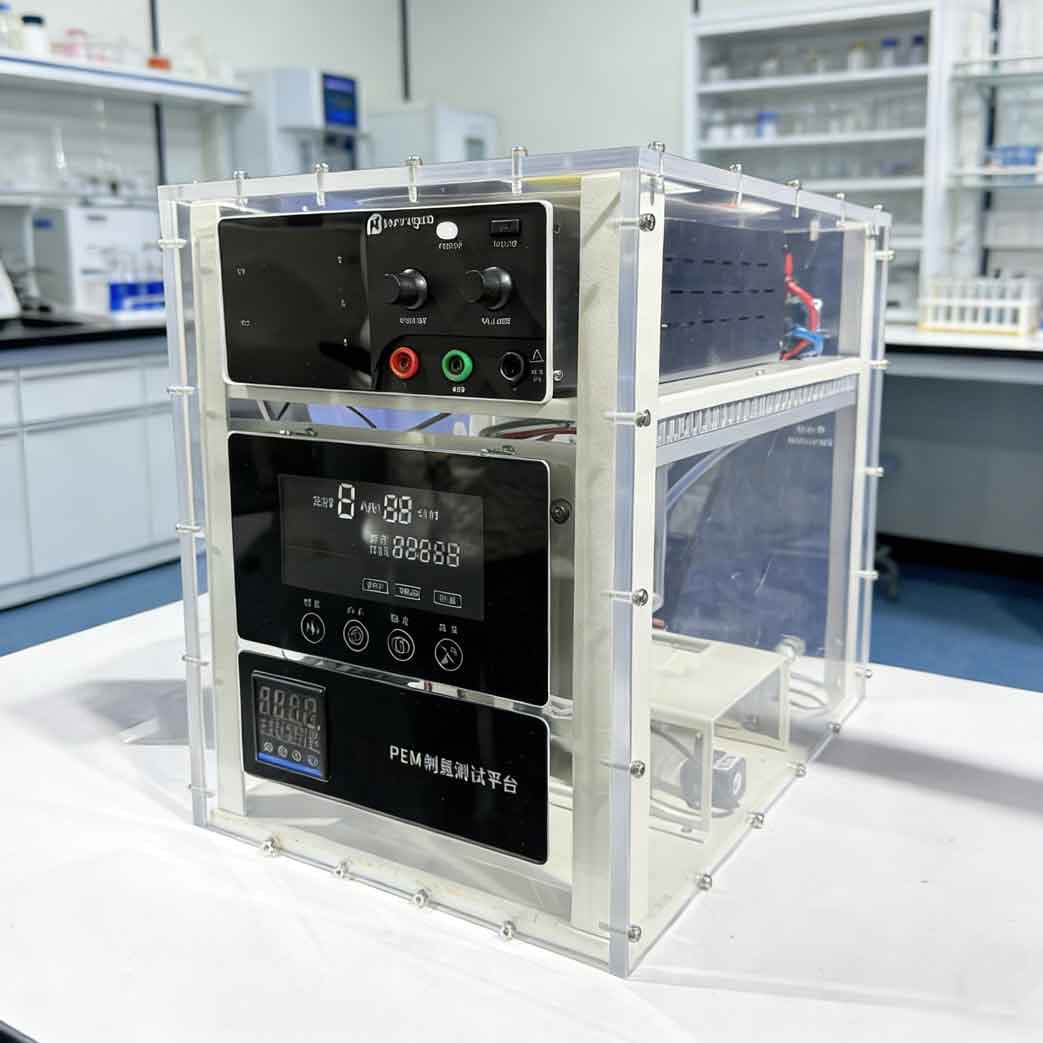
A PEM hydrogen generator uses purified water and electricity to create hydrogen on demand. With the right flow, purity and pressure specification, it becomes a stable utility at the bench rather than a consumable to be replenished.
04 — THE OUTCOME
Four benefits that protect analytical uptime.
Fewer interruptions
No delivery schedule or cylinder replacement is required to keep qualified instruments supplied.
Stable gas quality
Configured purification helps protect sensitive methods from variability in supply handling.
Safer handling
Point-of-use generation reduces the movement and storage of high-pressure cylinders around the lab.
Clearer operating cost
Move from recurring delivery and rental charges to a predictable utility-based supply model.
05 — THE NEXT STEP
Start with the requirements your application cannot compromise.
Before selecting a system, document your instrument count, peak flow, purity requirement, available water quality and installation environment. These details let an engineering team specify a solution that supports your workflow today and leaves room for the next instrument.
Discuss your laboratory requirements