
Hydrogen Systems for Microgrid and CHP Applications
Hydrogen for Microgrid & CHP
Hydrogen as a Flexible Energy Carrier for Microgrid and CHP Systems
Hydrogen is becoming an increasingly important energy carrier in distributed energy systems. In microgrid and combined heat and power (CHP) applications, hydrogen can support energy storage, load balancing, renewable energy integration, and fuel cell-based power generation.
As energy systems become more decentralized and flexible, small-scale hydrogen production is moving from concept to real deployment. A hydrogen generator for microgrid applications can help create an on-site hydrogen source that supports local energy strategy without relying entirely on centralized gas infrastructure.
For project developers, research institutes, system integrators, and demonstration platforms, hydrogen is not just a fuel. It is a bridge between electricity, storage, heat, and local energy resilience.
Hydrogen for microgrid
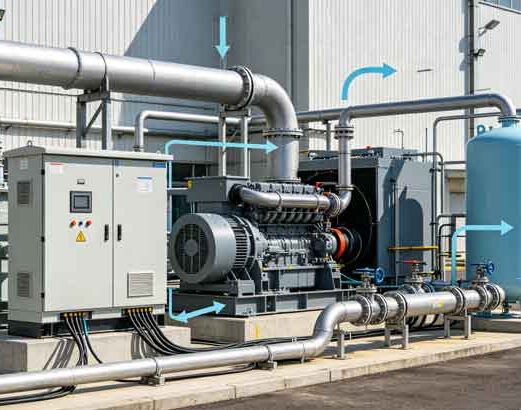
Why Hydrogen Matters in Distributed Energy Systems
Microgrid and CHP systems must solve a difficult problem: how to balance energy production, storage, and demand at a local level. Renewable energy sources such as solar and wind are valuable, but they are also intermittent.
Hydrogen provides a flexible option because it can be:
Produced when excess electricity is available
Stored for later use
Converted back into electricity through fuel cells
Integrated into hybrid energy systems
Used as part of energy education and demonstration projects
In this sense, hydrogen for microgrid systems is not only about fuel supply. It is about energy flexibility.
Traditional Energy Configurations & Hydrogen Generation
Typical Challenges in Traditional Energy Configurations
Conventional distributed energy systems often face several limitations:
This is where compact on-site hydrogen generation can create value.
Why On-site Hydrogen Generation Is Valuable
A hydrogen generator for microgrid and CHP use provides local hydrogen production, often from electrical input within the same system boundary.
Benefits include:
Instead of treating hydrogen as an externally purchased gas, on-site generation turns hydrogen into an integrated energy asset.
Typical Use Scenarios in Microgrid and CHP Projects
Hydrogen systems can support multiple energy-related scenarios:
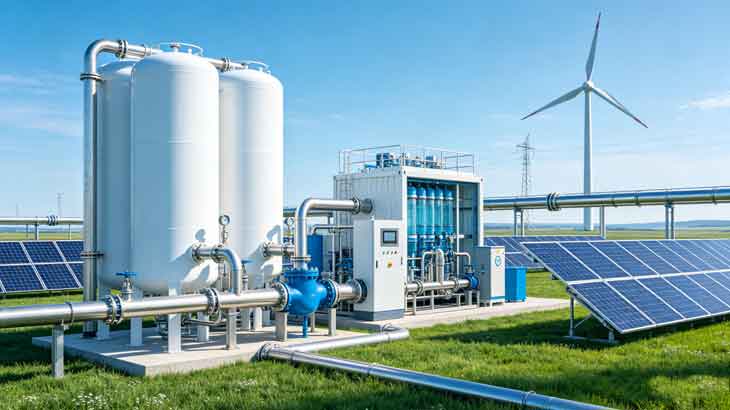
Renewable energy demonstration projects
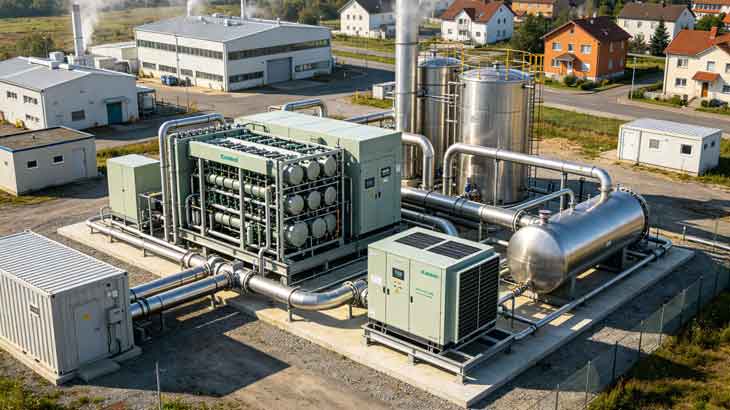
Fuel cell-based distributed power platforms
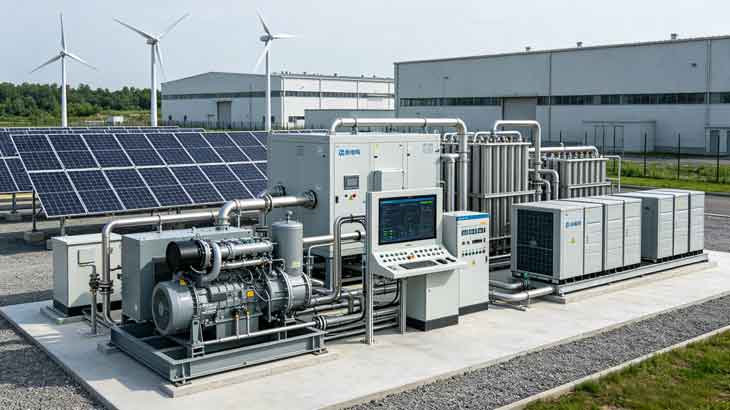
Educational or pilot microgrids
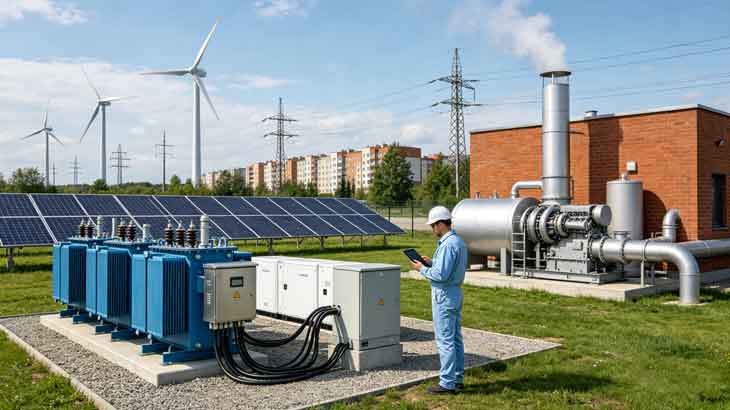
CHP system integration research
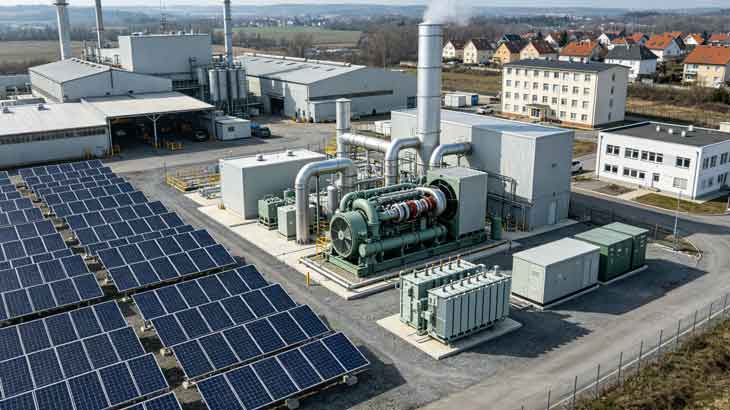
Multi-energy system validation platforms
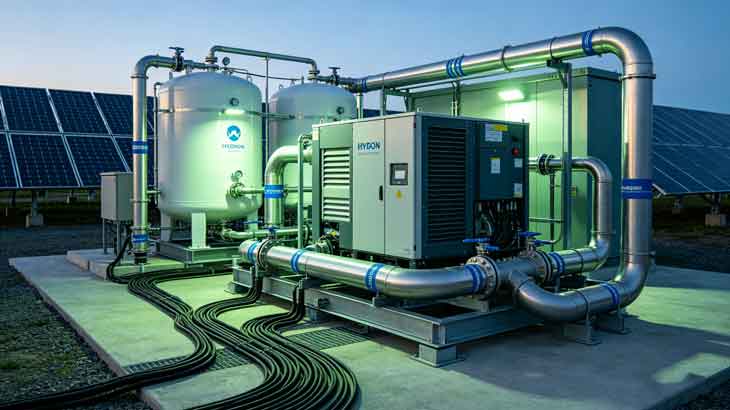
Independent energy concept projects
In these environments, the hydrogen system is often part of a broader architecture rather than a stand-alone utility device.
This is why integration capability matters as much as hydrogen production itself.
About us
Hydrogen Requirements in Energy System Applications
For microgrid and CHP projects, hydrogen generation systems must meet several practical requirements:
– Stable output
– Integration compatibility
– Compact system footprint
– Safety and control logic
– Modular scalability
A hydrogen generator for microgrid deployment should support these realities without excessive complexity.
Hydrogen Generator vs Delivered Hydrogen in Distributed Energy Projects
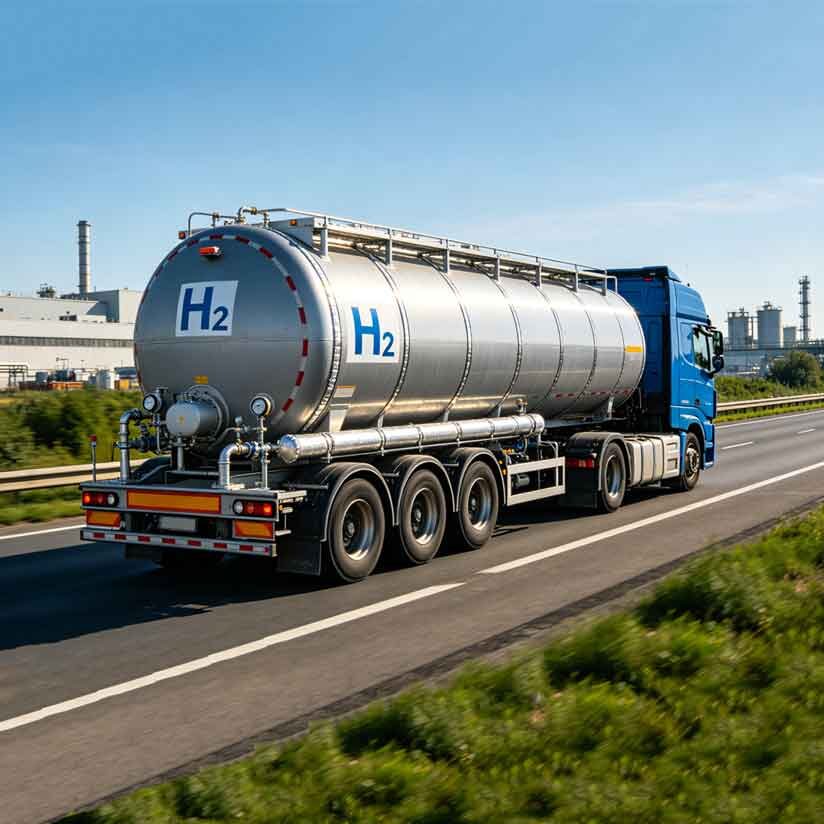
In distributed energy projects, using delivered hydrogen may seem easier at first, but it often creates unnecessary constraints.
On-site Hydrogen Generation
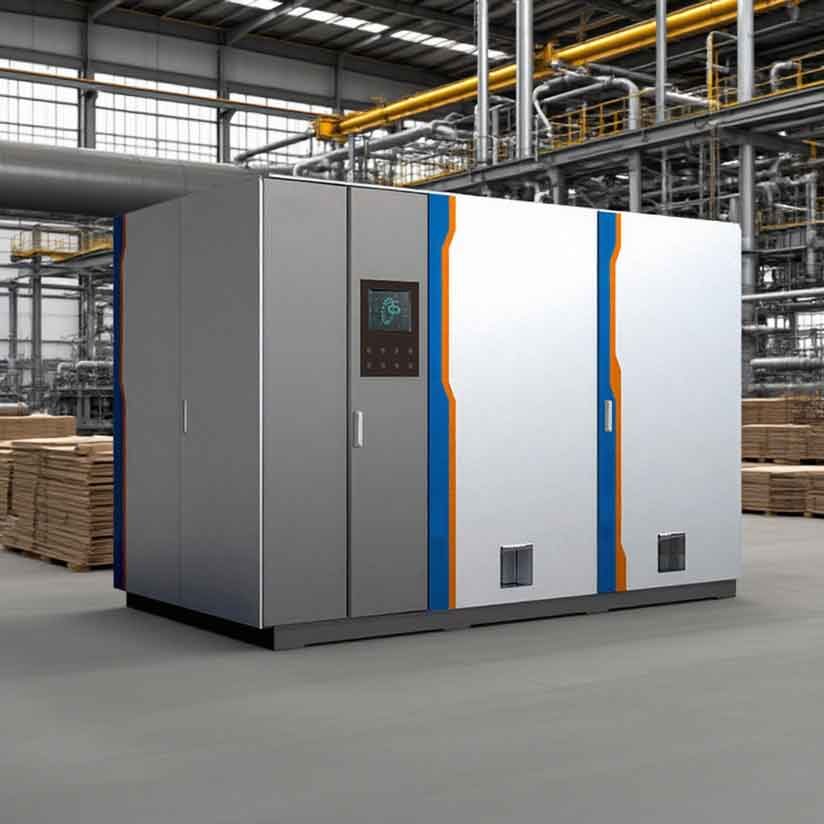
For many microgrid projects, the value of on-site hydrogen lies not only in cost, but in system architecture and energy strategy.
Delivered Hydrogen
Recommended Systems for Microgrid & CHP Applications
Relevant product lines include:
Integration & Engineering Considerations
Hydrogen projects in distributed energy systems often involve multiple subsystems. Integration planning is essential.
Key considerations include:
★ Electrical input and conversion logic
★ Hydrogen output matching with storage or fuel cell systems
★ Communication between generation and energy management units
★ Modular expansion paths
★ Safe operation and shutdown strategy
BYEAST supports compact system integration discussions for projects where hydrogen generation is one part of a wider architecture.
BYEAST focuses on compact, modular PEM hydrogen systems for practical deployment scenarios. We are particularly suited to customers who need smaller-scale hydrogen generation that can be integrated into testing, industrial, educational, or distributed energy systems.
For microgrid and CHP-related applications, our strengths include:
★ Modular PEM system architecture
★ Engineering-oriented integration support
★ Compact footprint suitable for pilot and distributed setups
★ Practical support for OEM and system-level use
★ Strong fit for demonstration, R&D, and localized deployments
We understand that in energy projects, the hydrogen unit must fit the system logic, not fight it.
Why BYEAST?
Talk to Our Engineers
Frequently Asked Questions
Is hydrogen generation suitable for microgrid projects?
Yes. Hydrogen can support energy storage, renewable integration, and fuel cell use in microgrid architectures.
Is this only for large-scale energy infrastructure?
No. Compact PEM systems are especially useful in pilot projects, education platforms, and smaller distributed applications.
Can hydrogen systems support CHP concepts?
Yes, especially where hydrogen is used within a combined heat and power or hybrid energy strategy.
Is this mainly for demonstration or real deployment?
Both. The right configuration depends on whether the project is educational, pilot-scale, research-based, or commercial.