Hydrogen Systems for Education and Training

Practical Hydrogen Training Systems for Modern Education
Hydrogen for Education & Training
A hydrogen training system helps learners understand how hydrogen is produced, stored, and used in real systems. It turns hydrogen from an abstract topic into something visible, testable, and teachable.
For institutions building hydrogen-related teaching programs, the challenge is not whether hydrogen matters. The challenge is how to teach it in a way that is practical, safe, modular, and aligned with real technology pathways.
Why Hydrogen Education Needs Real Systems?
Hydrogen is a cross-disciplinary topic. It touches energy systems, electrochemistry, process engineering, clean mobility, storage, power generation, and industrial applications.
Without hands-on systems, students often learn hydrogen only as a concept. That creates a gap between classroom understanding and real-world application.
A well-designed hydrogen training system can help:
Visualize hydrogen production and conversion processes
Support curriculum-based learning
Improve student engagement
Enable practical experiments and demonstrations
Connect theory with real engineering systems
This is especially important for institutions preparing students for future work in energy, engineering, and industrial technology sectors.
Hydrogen Cylinders & Hydrogen Generation
Challenges in Traditional Hydrogen Teaching
Many teaching programs still face practical limitations:
A strong hydrogen education platform needs to sit in the middle: accessible enough for teaching, but real enough to remain meaningful.
What a Hydrogen Training System Should Deliver
A useful hydrogen training system should do more than look impressive in a classroom.
It should provide:
This is why system design matters. The right educational platform should support not just demonstration, but learning progression.
Typical Education and Training Use Cases
Hydrogen education systems can be used in many settings:
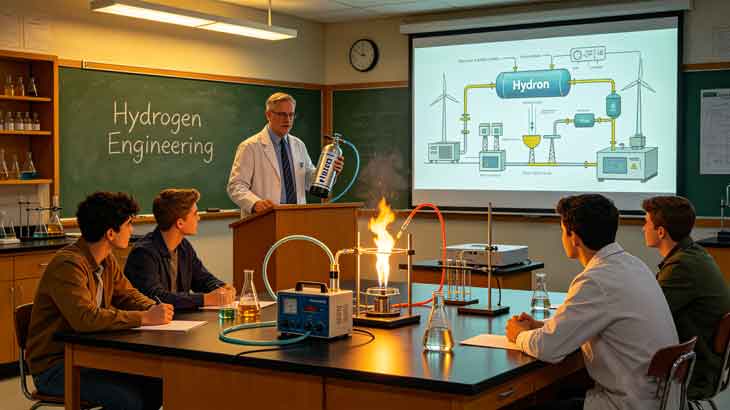
University engineering courses
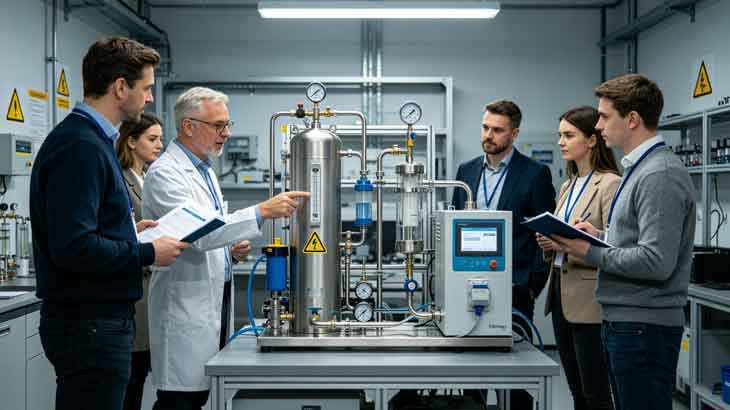
Vocational and technical education programs
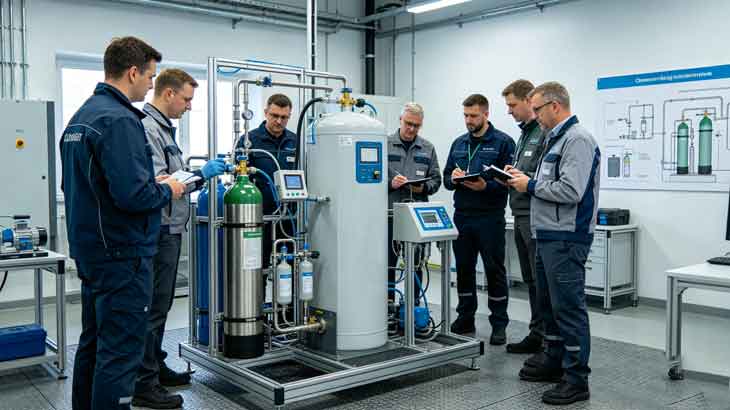
Energy and clean technology training centers
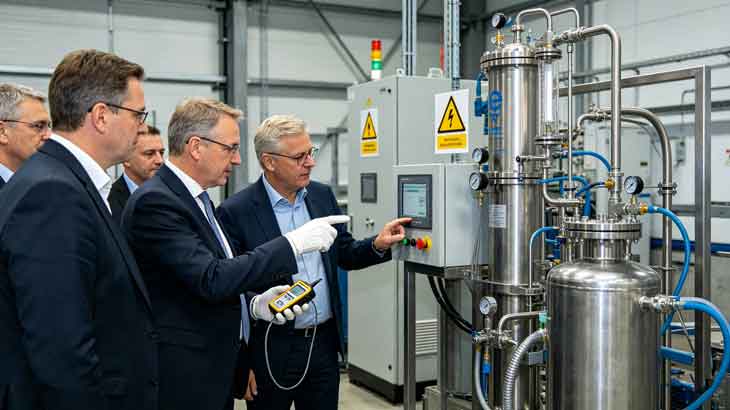
Research institutes for demonstration or outreach
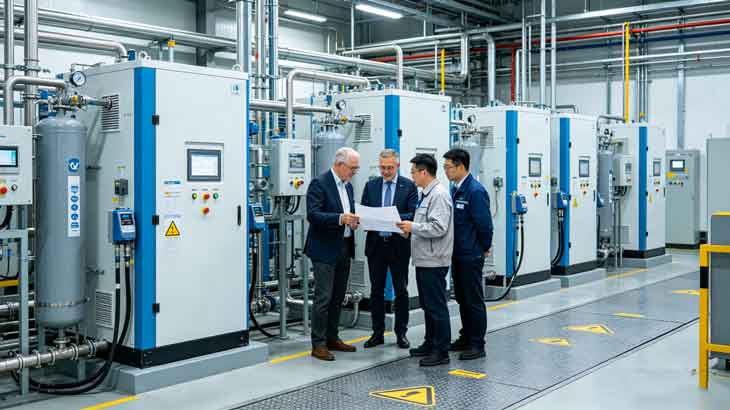
Industry-academic collaboration platforms
In some institutions, the goal is to teach basic hydrogen principles. In others, the goal is to support practical project work, experiments, and interdisciplinary learning.
That means hydrogen training systems must be flexible.

H2BYEAST Training and Education System Scope
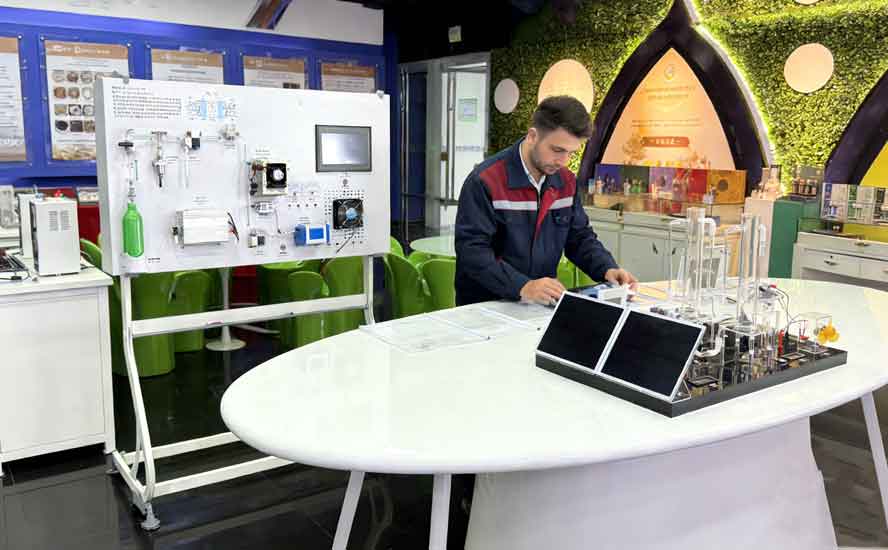
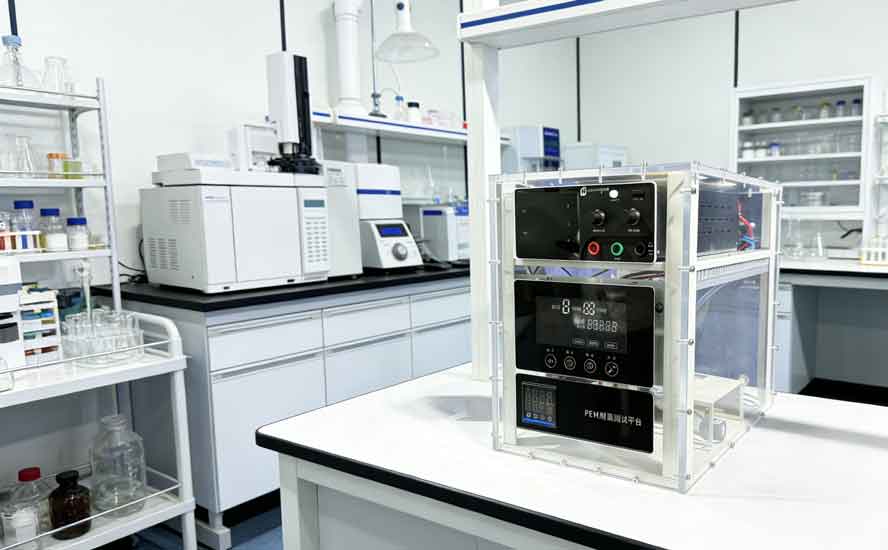
H2BYEAST provides hydrogen systems suited to educational and training environments, including:
These systems can be used to support hydrogen fundamentals, renewable energy coupling, electrolysis demonstrations, fuel cell principles, and more advanced training scenarios.
Why Practical Hydrogen Education Matters
Hydrogen education should not stop at definitions like electrolysis, fuel cell, storage, or clean energy transition. Students need to understand:
- How hydrogen is generated?
- How electrical input becomes stored energy?
- How hydrogen can be used again in a power system?
- What safety, control, and system integration mean in practice?
- HOW HYDROGEN FITS WITHIN WIDER ENERGY SYSTEMS?
This is where visual systems, modular training equipment, and practical experiments create real value.
A hydrogen training system makes these relationships easier to understand.
Education System vs Generic Demonstration Tool
Not all educational equipment is equally useful.
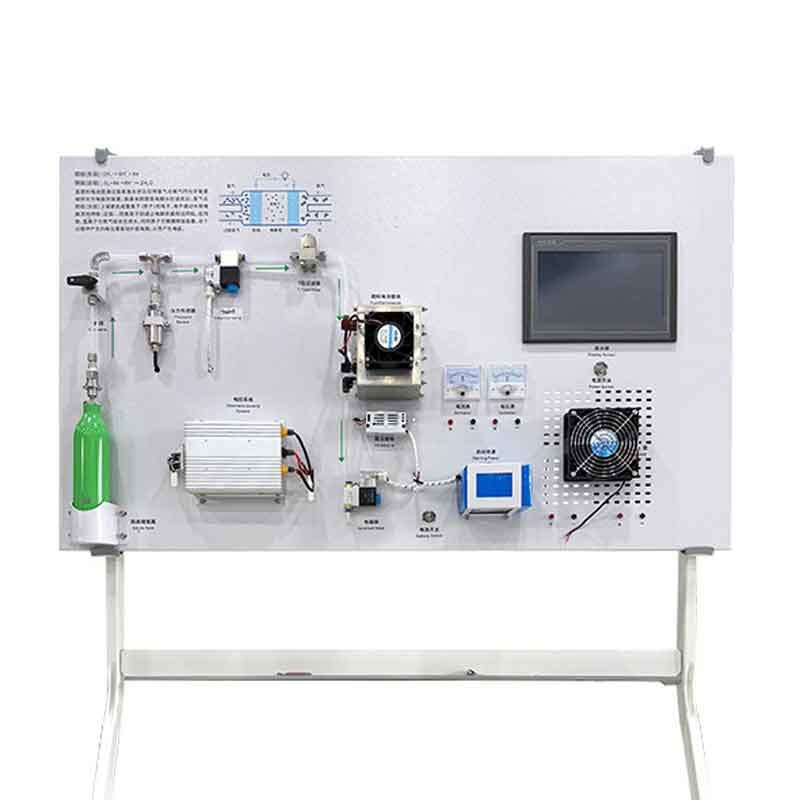
Structured Hydrogen Training System
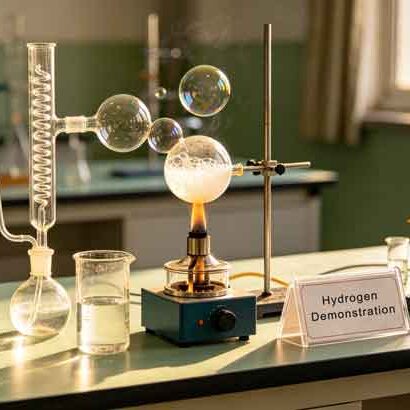
Generic Demonstration Tool
Institutions building long-term hydrogen capability typically need the first option.
Integration & Teaching Considerations
When selecting a hydrogen training system, schools and institutes should consider:
★ Teaching level (introductory, intermediate, advanced)
★ Classroom vs lab use
★ Safety and simplicity
★ Expandability for future courses
★ Compatibility with existing energy education programs
Some institutions start with a simple demonstration platform. Others need systems that can support project work, faculty research, or industry-linked training.
H2BYEAST can help match equipment scope to actual teaching goals.
For education and training customers, our strengths include:
★ Engineering-based educational system design
★ Modular architecture that supports multiple teaching levels
★ Practical hydrogen and fuel cell training pathways
★ Expandable system logic
★ Ability to connect education with real hydrogen applications
We do not treat education equipment as decorative demonstration hardware. We treat it as a structured training tool.
Why H2BYEAST?
BYEAST focuses on compact PEM hydrogen systems for practical use cases, including industry, testing, education, and OEM integration.
Talk to our team about your education or training project
Frequently Asked Questions
What is a hydrogen training system used for?
It is used to teach hydrogen production, storage, energy conversion, and related system concepts in a practical way.
Is it suitable for universities only?
No. It is also suitable for vocational schools, technical institutes, and training centers.
Can it support both teaching and project work?
Yes. Depending on system configuration, it can support introductory teaching as well as more advanced practical work.
How is it different from a simple demo kit?
A structured training system is designed for repeatable use, clearer teaching progression, and better alignment with engineering education.