
PEM Electrolyzer Testing Systems for Research, Validation and Engineering Development
PEM electrolyzer testing system
PEM Electrolyzer Testing Solution
Advanced PEM electrolyzer testing systems for research, validation and industrial development. Standardized platforms for performance evaluation, durability studies and engineering integration.

Why Electrolyzer Testing Matters
PEM electrolyzer development depends on data. Without reliable testing, it is difficult to evaluate performance, compare configurations, improve durability, or validate design changes. Whether the goal is research, teaching, product development, or industrial verification, a dedicated PEM electrolyzer testing system is essential.
Many institutions and engineering teams begin with improvised setups: a power source, a few sensors, manual logging, and a test object connected through custom piping. That may be enough for early exploration, but it quickly becomes a limitation when the work shifts toward repeatability, comparison, or long-term validation.
A proper PEM electrolyzer testing solution provides a structured environment for evaluating stack behavior, operating efficiency, thermal response, flow stability, durability, and control logic. It turns scattered testing activity into a repeatable engineering process.
The Problem with Improvised Testing Setups
A surprising number of PEM electrolyzer tests are still performed on non-standard or semi-manual platforms. These setups often work for one-off experiments, but they introduce serious limitations.
1. Inconsistent data quality
If instrumentation is incomplete or unstable, results become difficult to compare across runs.
2. Poor repeatability
Manual changes in wiring, piping, cooling conditions, or operating procedures create uncertainty that weakens the value of test data.
3. Limited parameter visibility
Without integrated monitoring, important variables such as pressure, temperature, current, voltage, and flow may be only partially captured.
4. Weak durability assessment
Long-duration testing requires reliability, logging, and controlled operating windows. Improvised systems often fail here.
5. Difficulty supporting both research and teaching
A setup designed for one researcher may be too fragile or too complex for classroom or collaborative use.
When teams say they need “an electrolyzer test bench,” what they usually mean is not just a physical frame. They need a platform that helps them generate trustworthy results.
Testing platforms need to combine:
Why Traditional Generic Lab Equipment Is Not Enough
Some users try to assemble a testing setup by combining generic power supplies, pumps, meters, and tubing. That can work temporarily, but it often falls short because a PEM electrolyzer testing system is not simply a collection of parts.
Generic lab hardware does not automatically provide a coherent testing workflow. The more serious the testing becomes, the more important integrated system logic becomes.
This is especially true when the testing goal includes:

A Standardized PEM Electrolyzer Testing Platform
BYEAST provides PEM electrolyzer testing solutions designed to support structured, repeatable, and application-oriented test work. These systems are suitable for universities, R&D centers, engineering teams, and collaborative lab environments that need more than a temporary setup.
A proper PEM electrolyzer testing solution typically includes:
-★ controlled electrical input
-★ sensor integration for key parameters
-★ real-time monitoring
-★ configurable test conditions
-★ scalable single-channel or dual-channel architecture
-★ support for engineering evaluation and teaching use
Instead of forcing the user to build the test logic from scratch, the platform provides a more reliable base for structured validation.
This is not just about convenience. It is about making test results more useful.
What Can Be Evaluated with a PEM Electrolyzer Testing System
A well-designed testing platform can support multiple types of evaluation.
Performance evaluation
Measure how the electrolyzer behaves across different input conditions and operating windows.
Efficiency assessment
Track electrical input and process response to assess operating efficiency trends.
Stability testing
Observe how the system performs under sustained conditions.
Comparative testing
Use single-channel or dual-channel setups to compare designs, materials, or configurations.
Durability and lifetime studies
Run long-duration or repeated-cycle tests to support reliability analysis.
Teaching and experiment support
Provide a standard platform for student experiments, demonstrations, and practical lab work.
This breadth of use is what makes a dedicated PEM electrolyzer testing system valuable in both research and applied engineering settings.
Typical Users and Use Cases
A PEM electrolyzer testing solution is relevant for several types of users:
Universities and academic research labs

Used for hydrogen energy courses, electrolysis studies, materials work, and faculty-led projects.
Institute and government research centers

Used for green hydrogen, stack validation, and system optimization work.
Equipment manufacturers
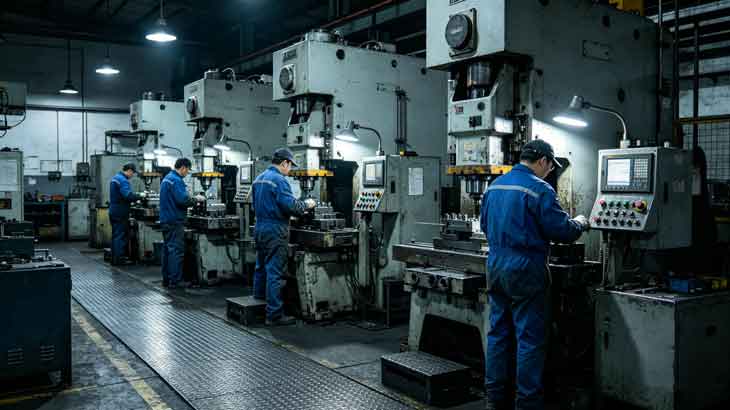
Used to validate components, test design revisions, and compare development paths.
Joint research and industry-academic platforms

Used in collaborative environments where repeatability and documentation matter.
Training centers

Used to connect hydrogen theory with measurable system behavior.
In all these cases, the need is similar: a structured test environment that is practical, readable, and expandable.
Available System Types
H2BYEAST supports several test platform approaches depending on the user’s goals.
Designed for focused performance evaluation with controlled operating parameters.
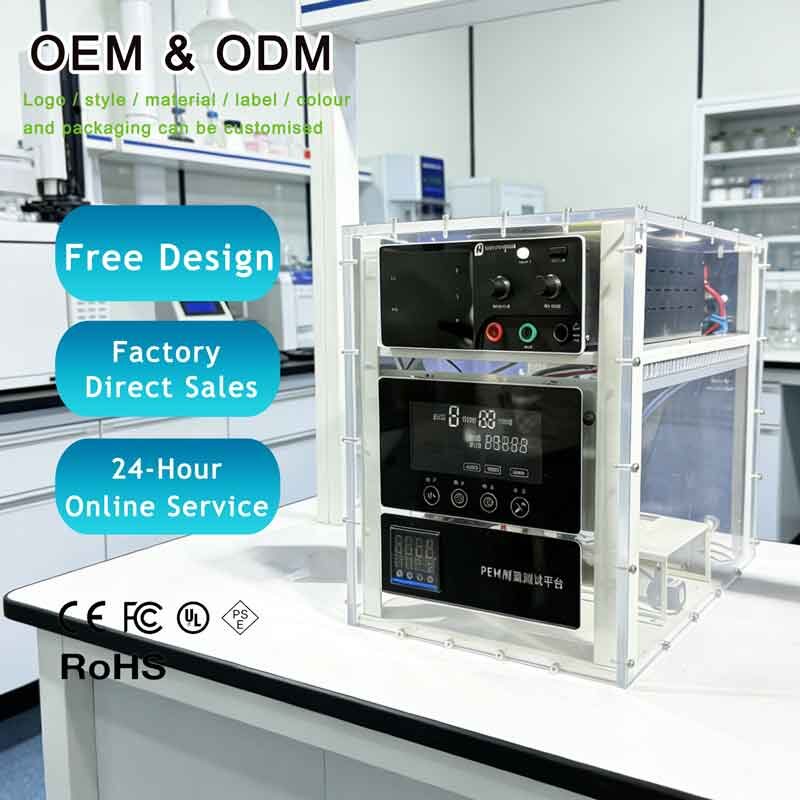
Bench-scale PEM electrolyzer test rack
Suitable for basic evaluation, academic use, and structured single-unit testing.
Useful for comparison testing, configuration analysis, and parallel validation work.
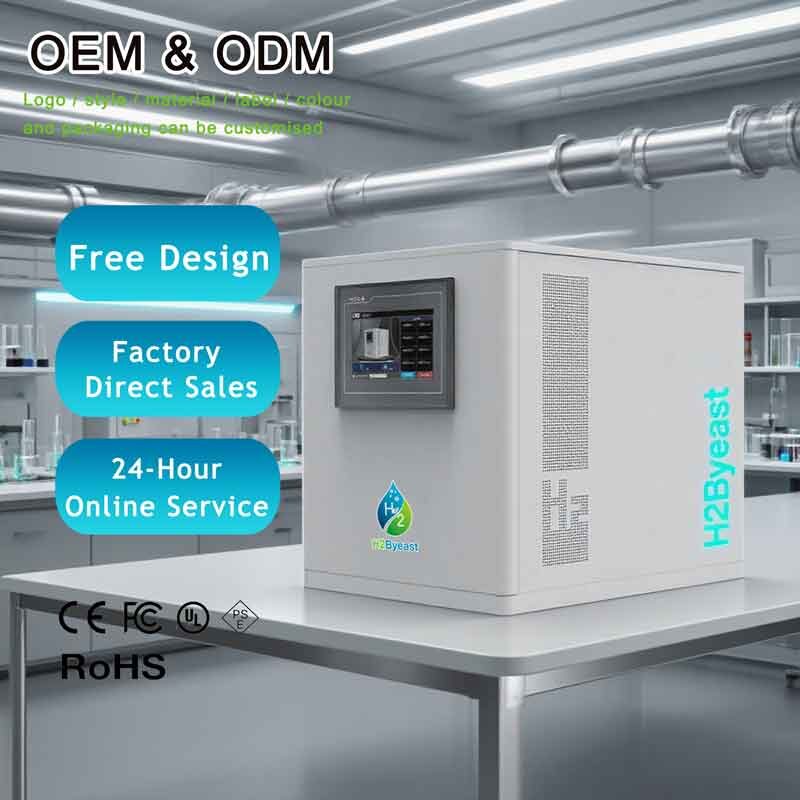
Explore PEM electrolyzer testing platforms for your lab or development program
Integration & Engineering Considerations
A strong testing solution should not only measure data. It should fit the reality of how test work is actually done.
Important considerations include:
-★ Sensor integration
Pressure, temperature, flow, voltage, and current need to be captured in a structured way.
-★ Data handling
A platform should support readable and useful monitoring, whether for live observation, logging, or later analysis.
-★ Safety and operating control
Testing systems should include clear operating logic, not just raw hardware.
-★ Flexibility
Different electrolyzers, operating windows, or educational uses may require different configurations.
-★ Expandability
A user may begin with a simple test bench and later require channel comparison, additional instrumentation, or broader validation capability.
H2BYEAST supports engineering-oriented system discussions for teams that need more than a one-size-fits-all setup.
It helps prevent:
-★ inconsistent setup changes
-★ incomplete monitoring
-★ non-comparable results
-★ poor repeatability
-★ wasted time on reconfiguration
-★ weak documentation
For many teams, the move from ad hoc testing to a structured PEM electrolyzer testing system marks the point where the work becomes much more useful for publications, internal decisions, development milestones, or collaborative projects.
Why a Standardized Testing Platform Improves Research Quality
The value of a proper test system is not only in what it measures, but in what it prevents.
Why BYEAST
BYEAST focuses on compact PEM hydrogen systems for testing, education, industrial integration, and specialized use cases. We are especially suited to customers who need structured but practical systems rather than oversized infrastructure.
For testing applications, our strengths include:
–★ engineering-oriented platform design
–★ modular system thinking
–★ support for both research and teaching use
–★ practical fit for lab environments
–★ flexibility for pilot and development-stage work
We understand that testing equipment must do two things well: generate good data, and remain usable by real teams.
Frequently Asked Questions
Is this only for advanced research labs?
No. The platform can be configured for teaching, applied research, and product validation depending on the use case.
Can it support comparative testing?
Yes. Dual-channel configurations can support side-by-side comparison and structured evaluation.
Is it suitable for both teaching and R&D?
Yes. That is one of the main advantages of a standardized but modular platform.
Does the system only test the stack?
It depends on configuration, but the solution is designed to support broader operating parameter monitoring and system-level testing logic.