Hydrogen Training Systems for Education, Lab Programs and Practical Learning

Hydrogen Training Lab Solution
Practical hydrogen training systems for universities, technical institutes and labs. Support PEM electrolysis, storage, fuel cell demonstration and hands-on hydrogen education.

Why Practical Hydrogen Training Matters?
Hydrogen is no longer just a policy topic or a future-energy buzzword. It is becoming part of real engineering education, technical training, applied research, and industry-academic collaboration. As a result, schools, universities, technical institutes, and labs need more than slides and theory. They need structured hydrogen training systems that make hydrogen visible, understandable, and usable in practice.
A hydrogen training system helps bridge the gap between concept and application. It allows learners to see how electricity, water, hydrogen production, storage, and fuel cell power generation connect within one system logic.
For education providers, the question is not simply what hydrogen equipment to buy. The real question is how to build a practical teaching platform that supports learning at different levels without becoming too abstract, too fragile, or too complicated.
The Problem with Theory-only Hydrogen Education
Many education programs still teach hydrogen through disconnected topics:
electrolysis theory
fuel cell basics
clean energy transition narratives
hydrogen policy or market trends
Those topics matter, but without practical systems, students often fail to understand how hydrogen technologies function in a real workflow.
Typical problems include:
No hands-on learning
Students hear about hydrogen, but do not interact with a real system.
Weak connection between subtopics
Production, storage, and utilization are often taught separately, not as one integrated process.
Low teaching repeatability
Improvised demonstration setups may work once but not consistently across classes or semesters.
Limited progression path
Basic demonstration kits may be too simple, while advanced research systems may be too complex for routine teaching.
Poor alignment with workforce needs
Industry increasingly needs people who understand how hydrogen systems actually operate, not just the vocabulary around them.
A structured hydrogen training system solves these problems by turning hydrogen education into a practical engineering experience.
Why Generic Demo Equipment Is Not Enough
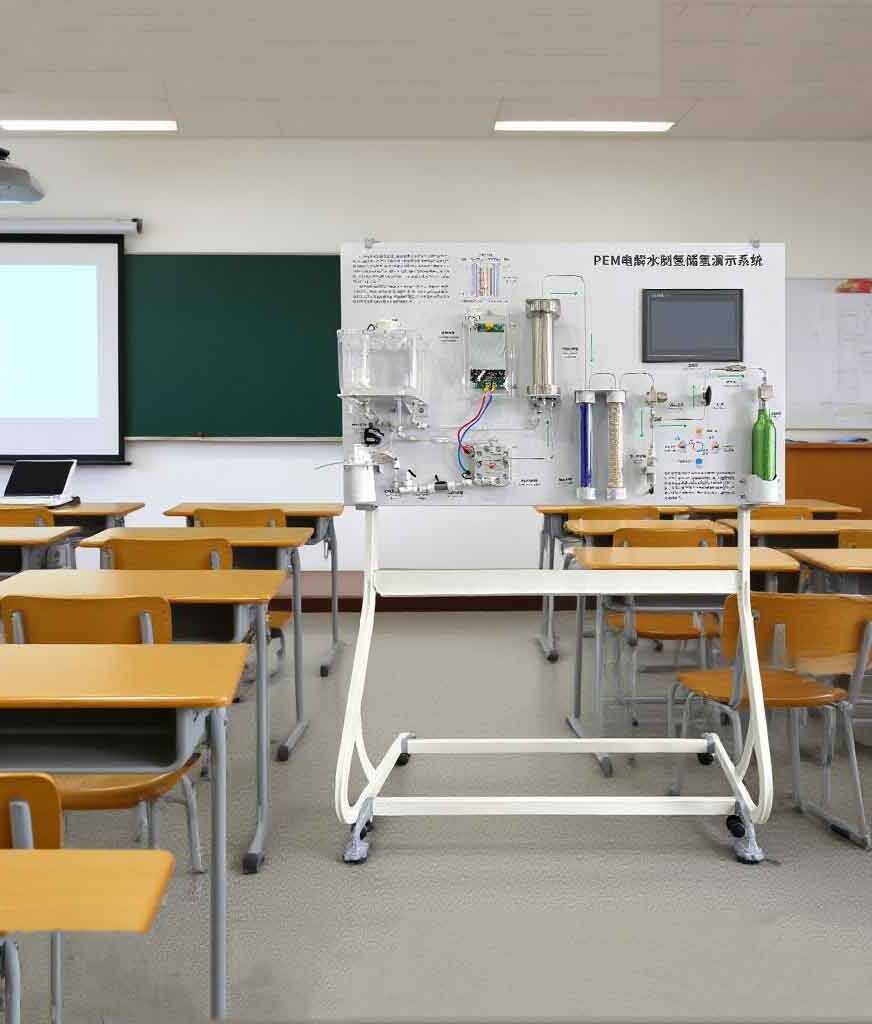
Some institutions begin with a small demonstration kit and assume that is enough. In reality, generic demo tools often serve only one purpose: visual explanation. — That is useful, but limited.
A proper hydrogen training solution should support:
-★ classroom explanation
–★ hands-on demonstration
–★ repeatable use
–★ curriculum development
–★ project work
–★ transition toward deeper testing or applied learning
That requires more than a generic gadget. It requires a system with educational logic.
Solution Overview: A Structured Hydrogen Training Platform
BYEAST provides hydrogen training solutions designed for practical education and lab-based learning. These solutions are not built as one-off showpieces. They are designed to support structured understanding of hydrogen systems across different teaching and training levels.
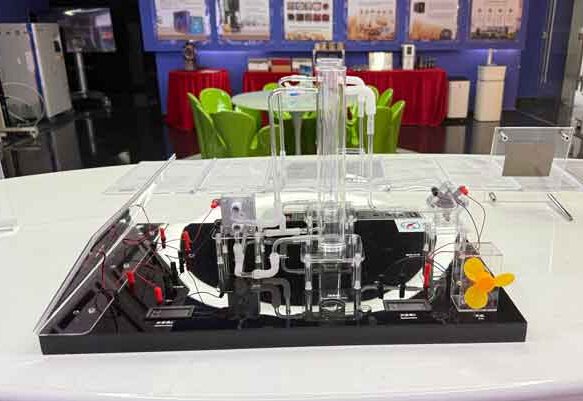
A typical training solution may include:
Solar-to-hydrogen demonstration
PEM water electrolysis module
Hydrogen storage demonstration logic
Fuel cell power generation demonstration
Supporting visual or measurement elements
Optional transition to more advanced testing setups
This makes it possible to teach not only individual topics, but the system chain from energy input to hydrogen output and energy reuse.
What a Good Hydrogen Training System Should Deliver
An effective hydrogen training system should make hydrogen understandable in practical terms.
It should help learners answer questions such as:
A good teaching platform should also support different user groups:
That means flexibility matters just as much as simplicity.
Typical Use Cases
Hydrogen training systems are valuable in several settings:

Universities
Used in engineering, energy systems, electrochemistry, and renewable technology education.

Technical and vocational institutes
Used in practical clean-energy training and workforce development.

Research institutes
Used for outreach, lab demonstrations, and teaching-support platforms.

Industry-academic collaboration
Used in shared innovation centers, demonstration labs, and program development.
Clean energy training centers
Used to build structured learning experiences around hydrogen technologies.
Available Training Solution Types
BYEAST can support different levels of educational hydrogen systems.
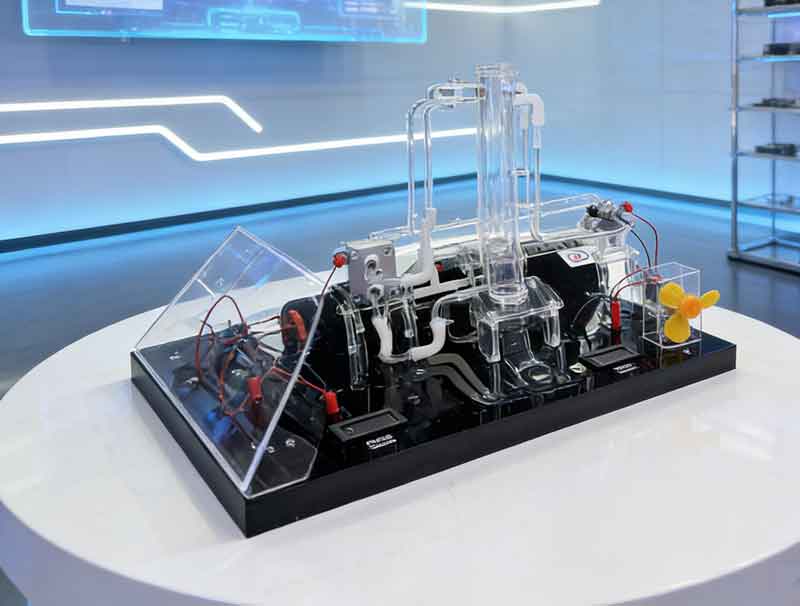
Useful for demonstrating the relationship between renewable power and hydrogen generation.
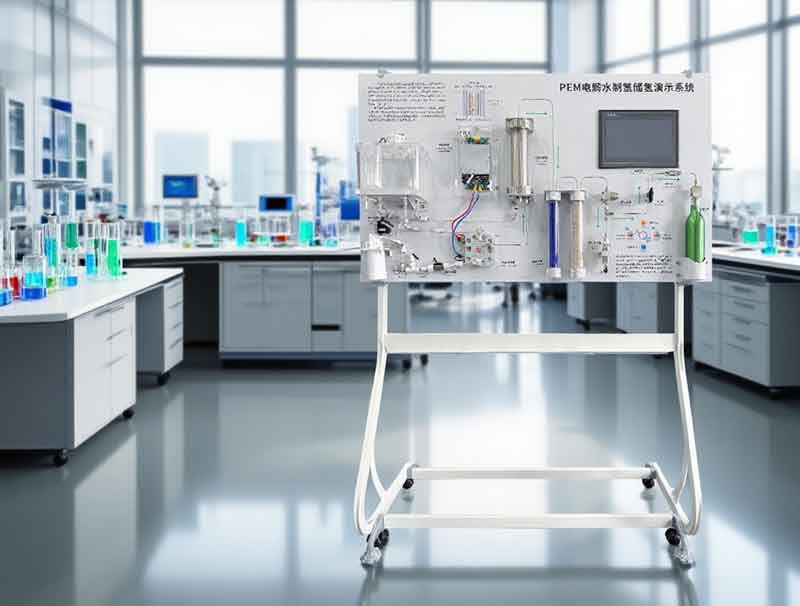
Useful for showing the complete hydrogen production and storage pathway.
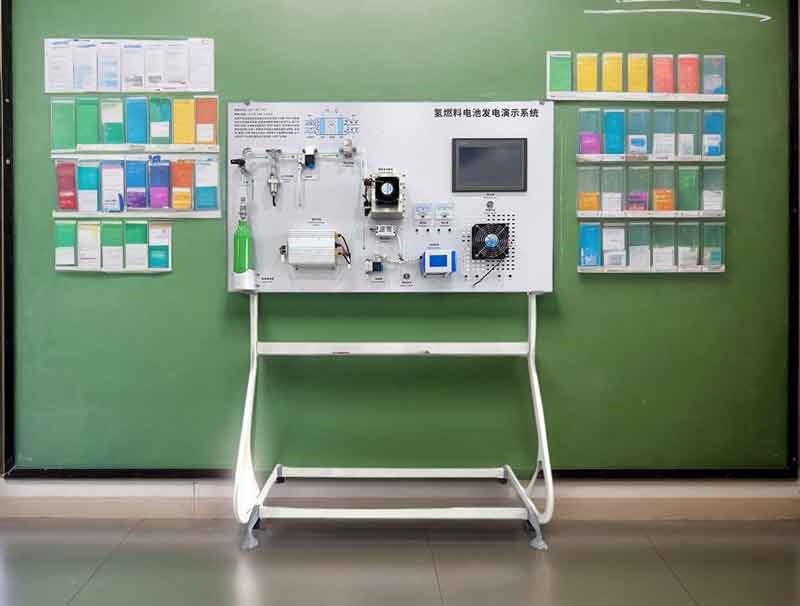
Useful for teaching the conversion of stored hydrogen back into usable electrical energy.
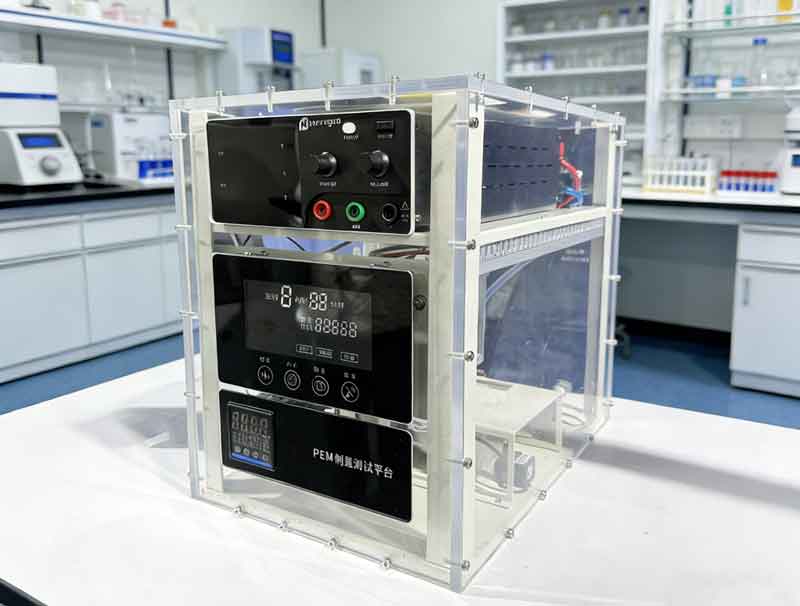
For more advanced institutions, training systems can be connected conceptually or practically to test platforms.
Why This Solution Works Better Than Isolated Equipment?
A hydrogen training lab solution is more powerful than isolated equipment because it supports a learning flow.
Instead of teaching:
– electrolysis one week
– storage another week
– fuel cells later
A structured platform can help learners see the chain:
power input → hydrogen production → storage logic → hydrogen use
This gives education programs stronger continuity and makes the content more memorable and practical.
It also gives instructors more flexibility in course design.
Request a customized solution
Integration & Teaching Considerations
These questions matter because the right teaching platform depends on the program, not just the catalog.
Selecting a hydrogen training system should involve several decisions.
★ Educational level
Is the system for introductory demonstration, technical training, or more advanced engineering learning?
★ Teaching format
Will it be used in a classroom, lab, workshop, or demonstration center?
★ Expandability
Should the system remain a fixed demonstration unit, or support growth into project work or testing?
★ Ease of operation
Can instructors and students use it repeatedly without excessive complexity?
★ Safety and visibility
Does the system make hydrogen processes understandable while remaining practical for repeated use?
Our strengths include:
★ engineering-based educational system design
★ modular architecture for different teaching levels
★ strong fit for hydrogen curriculum development
★ practical connection between teaching and real application logic
★ ability to support both demonstration and more advanced training pathways
We understand that a good training system should not only attract attention. It should hold up over time and remain useful across repeated teaching cycles.
Why BYEAST?
BYEAST focuses on compact PEM hydrogen systems across education, testing, industrial integration, and practical engineering applications. For education customers, this means we are not offering decorative hydrogen equipment. We are offering systems rooted in how hydrogen technologies actually work.
Frequently Asked Questions
Is this only for universities?
No. It is suitable for universities, technical institutes, vocational schools, training centers, and demonstration labs.
Can one system support more than one topic?
Yes. That is one of the core benefits of a structured training solution. It can connect production, storage, and utilization concepts.
Is it too complex for classroom use?
Not necessarily. The appropriate system depends on the teaching level, and configurations can be selected accordingly.
Can this support both teaching and project work?
Yes. Some institutions use training systems as a first layer, then expand into testing or more advanced practical work.