
Hydrogen Generator for Laboratory Applications
H2Byeast Hydrogen Generator for Laboratory
Hydrogen is widely used in laboratory environments for analytical instruments, research experiments, and material testing. One of the most common applications is as a carrier gas for gas chromatography (GC), where stable hydrogen supply is critical for accurate and repeatable results.
Traditionally, laboratories have relied on hydrogen cylinders. However, more laboratories are now switching to hydrogen generator for laboratory applications to improve safety, reduce costs, and ensure continuous operation.
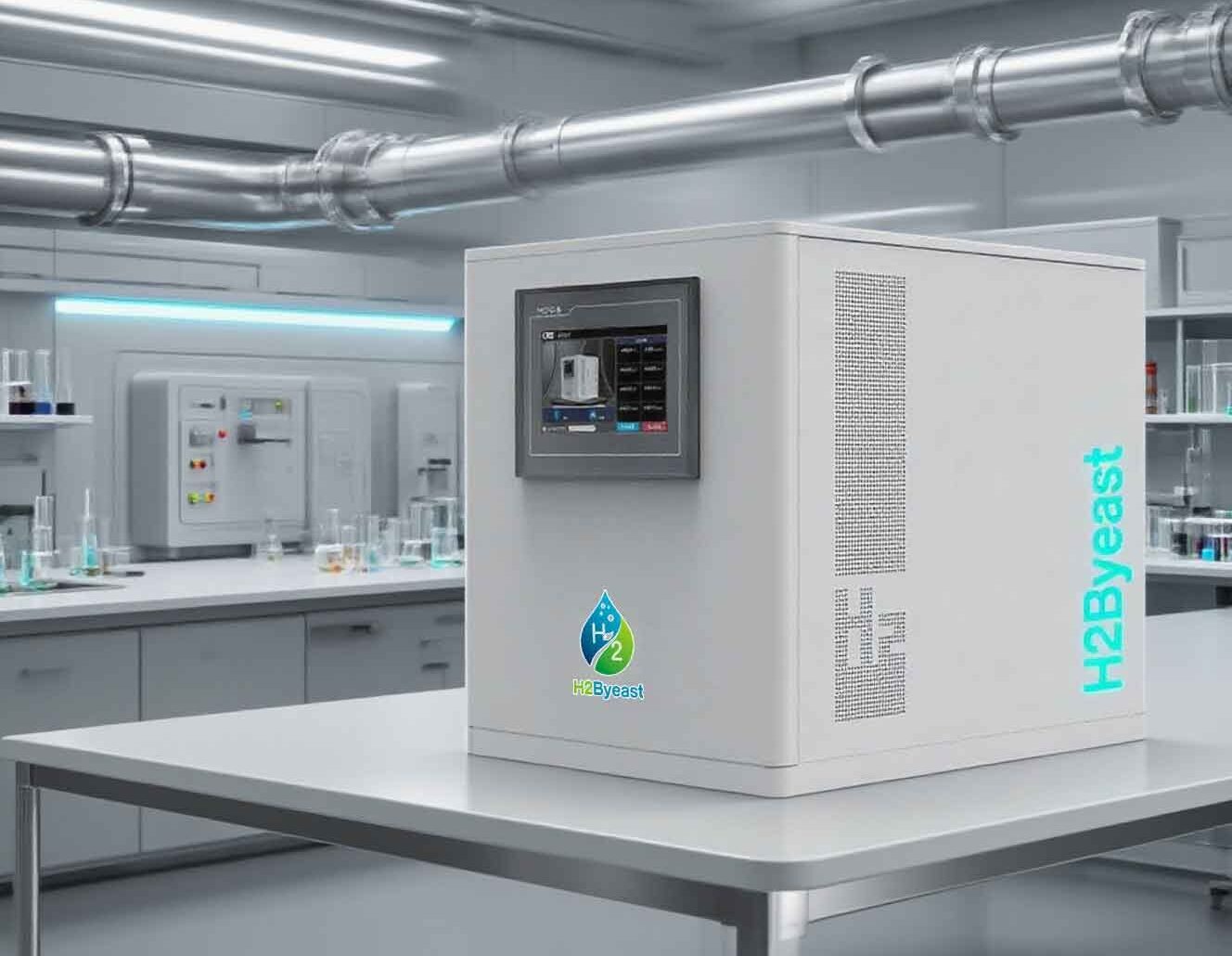
The Role of Hydrogen in Laboratory Applications
Hydrogen plays a key role in modern laboratory processes:
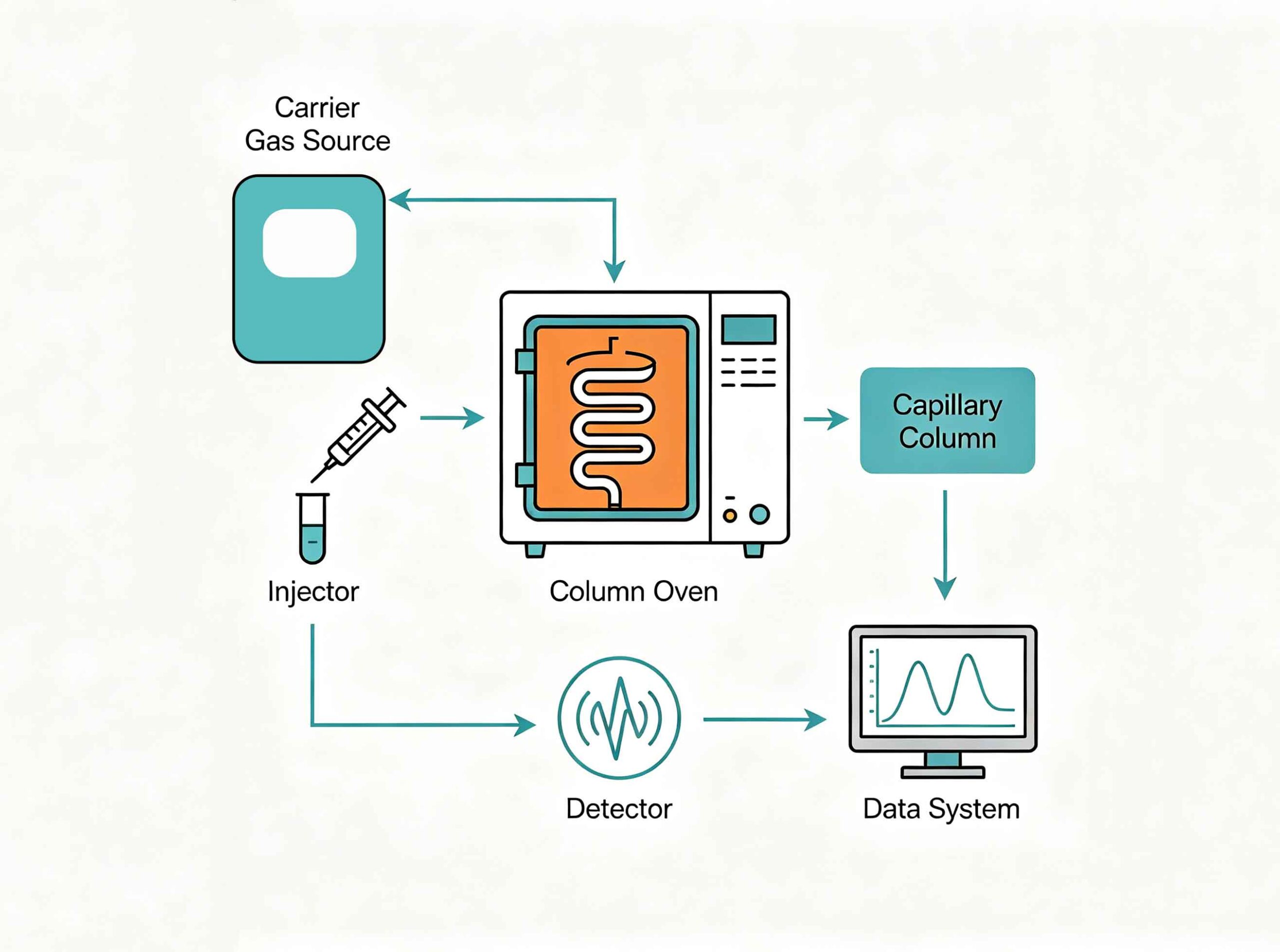
Carrier gas for gas chromatography (GC)
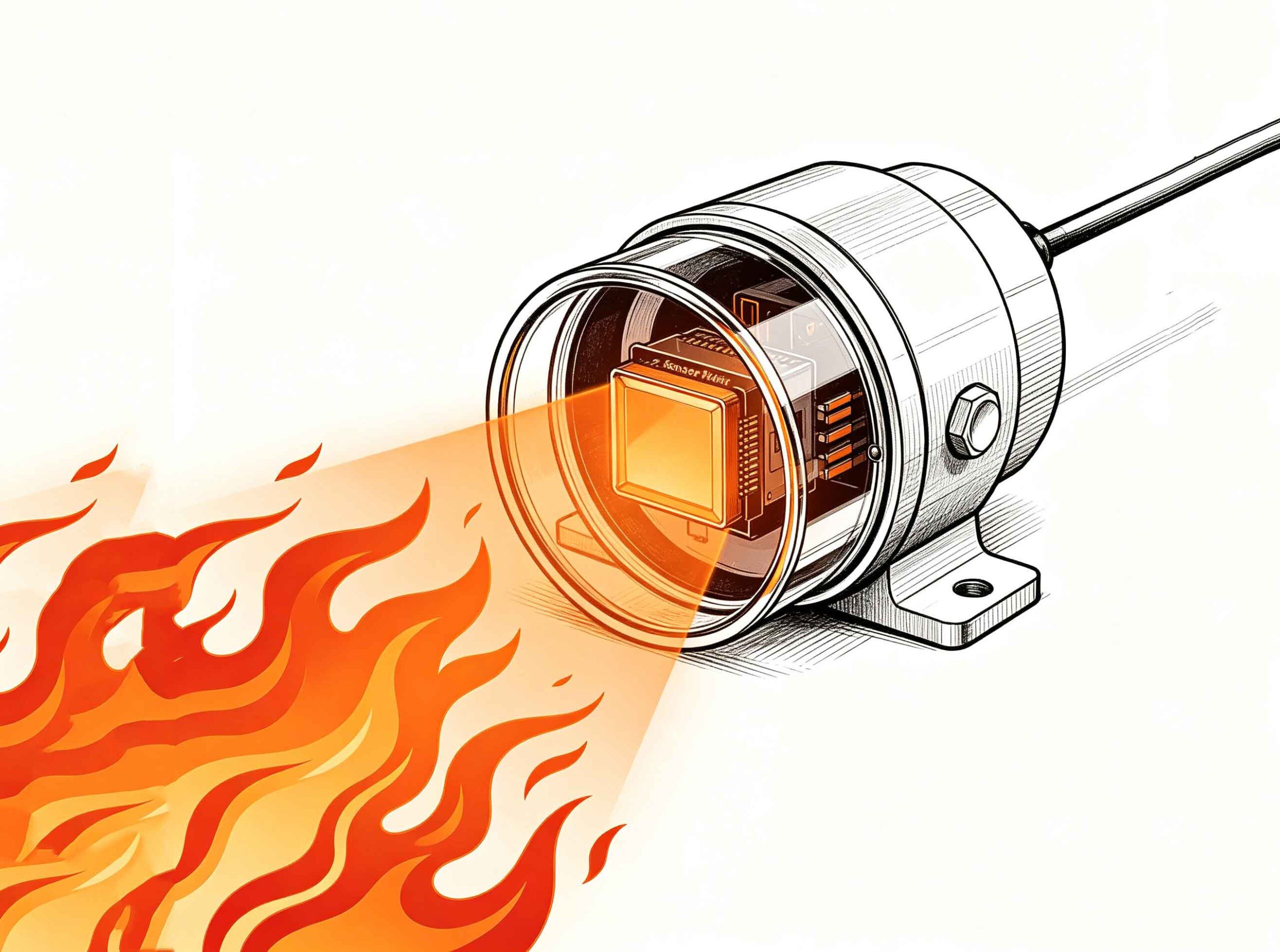
Fuel gas for flame-based detectors
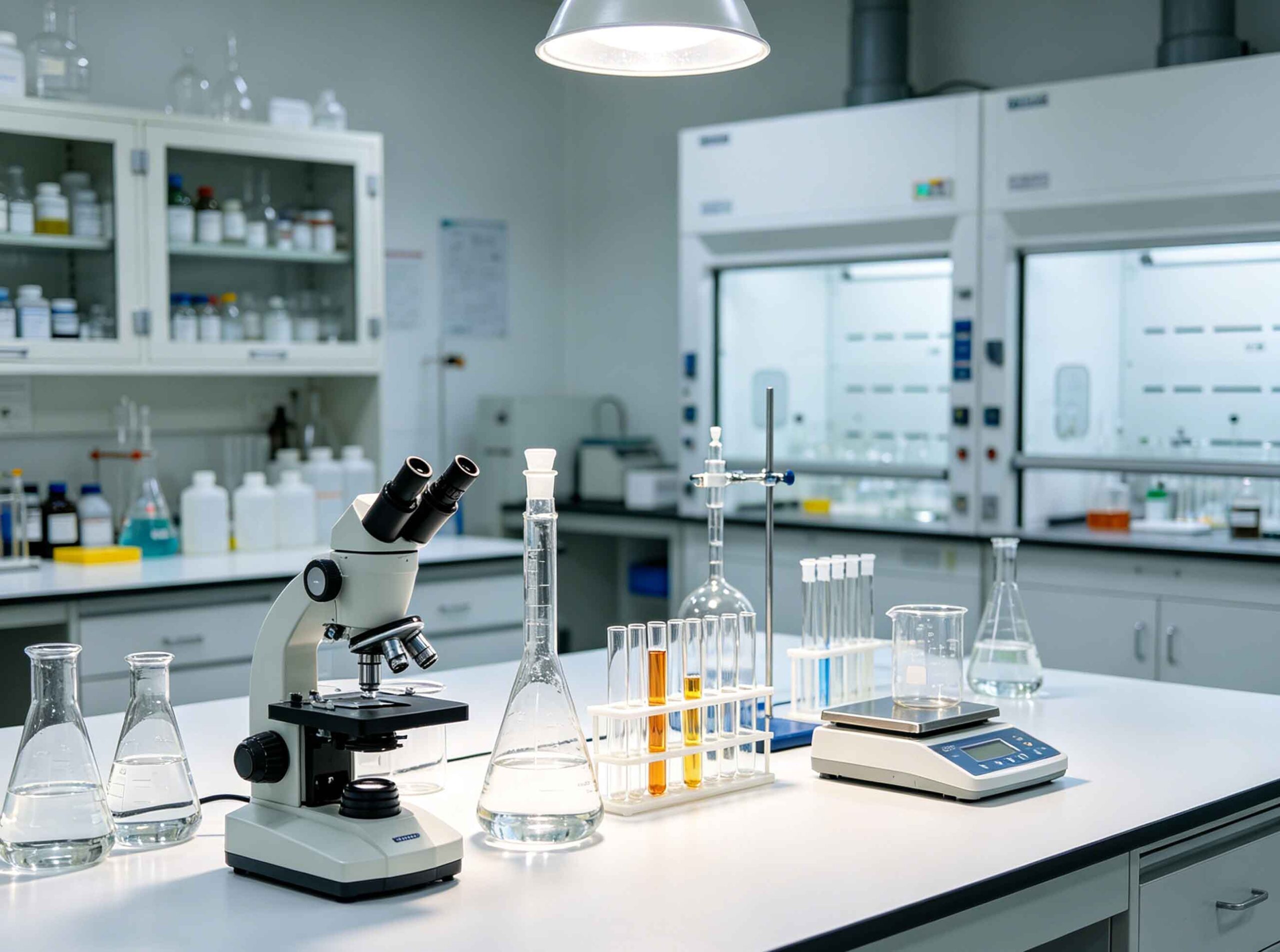
Research and experimental applications
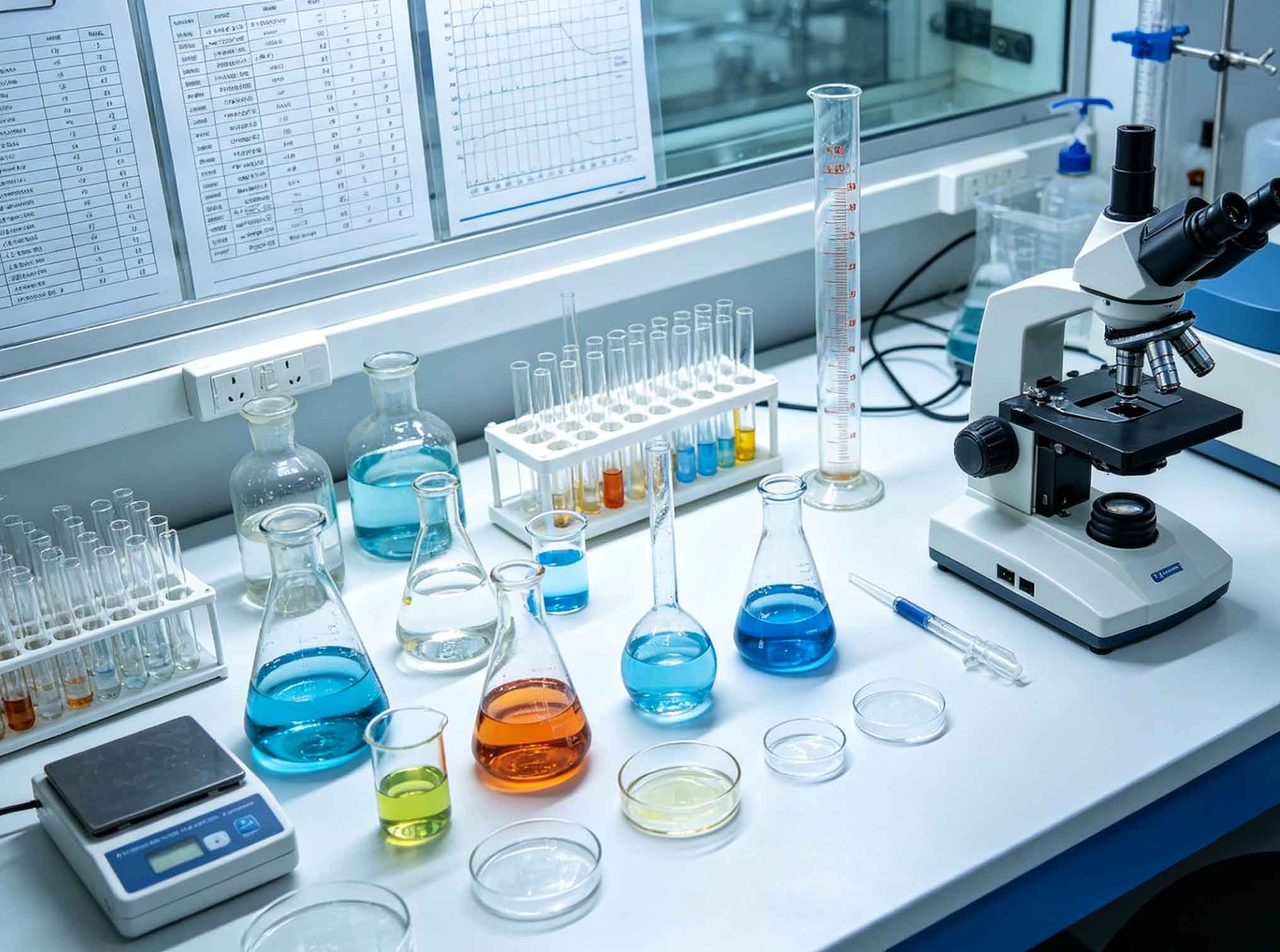
Material and chemical analysis
In these scenarios, hydrogen generator for laboratory use must provide stable, high-purity hydrogen with consistent pressure and flow.
A Comparison of Conventional Hydrogen Storage Tanks and Hydrogen Generators
Challenges with Hydrogen Cylinders in Laboratories
Using hydrogen cylinders in laboratory environments presents several risks and limitations:
× High-pressure storage risks in confined spaces
× Frequent cylinder replacement disrupts workflow
× Storage and compliance requirements
× Risk of gas leakage
× Increasing gas and logistics costs
For modern laboratories, these issues make cylinder-based supply less practical.
Advantages of Hydrogen Generators for Laboratory Use
A hydrogen generator for laboratory provides on-demand hydrogen production using PEM technology.
Key benefits include:
√ Continuous hydrogen supply without interruption
√ Improved safety with low-pressure systems
√ Stable flow and pressure for analytical instruments
√ Reduced operating costs over time
√ Compact design suitable for laboratory environments
Hydrogen Purity and Stability Requirements
Laboratory applications require precise hydrogen parameters:
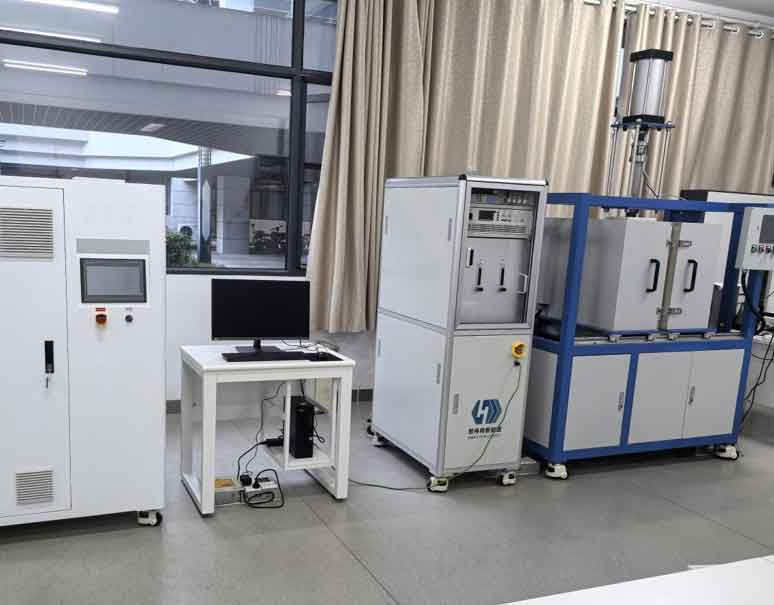
★ High purity hydrogen for analytical accuracy
★ Stable flow rates for consistent instrument performance
★ Continuous operation without fluctuation
★ Low noise and compact footprint
A hydrogen generator for laboratory must be designed to meet these strict requirements.
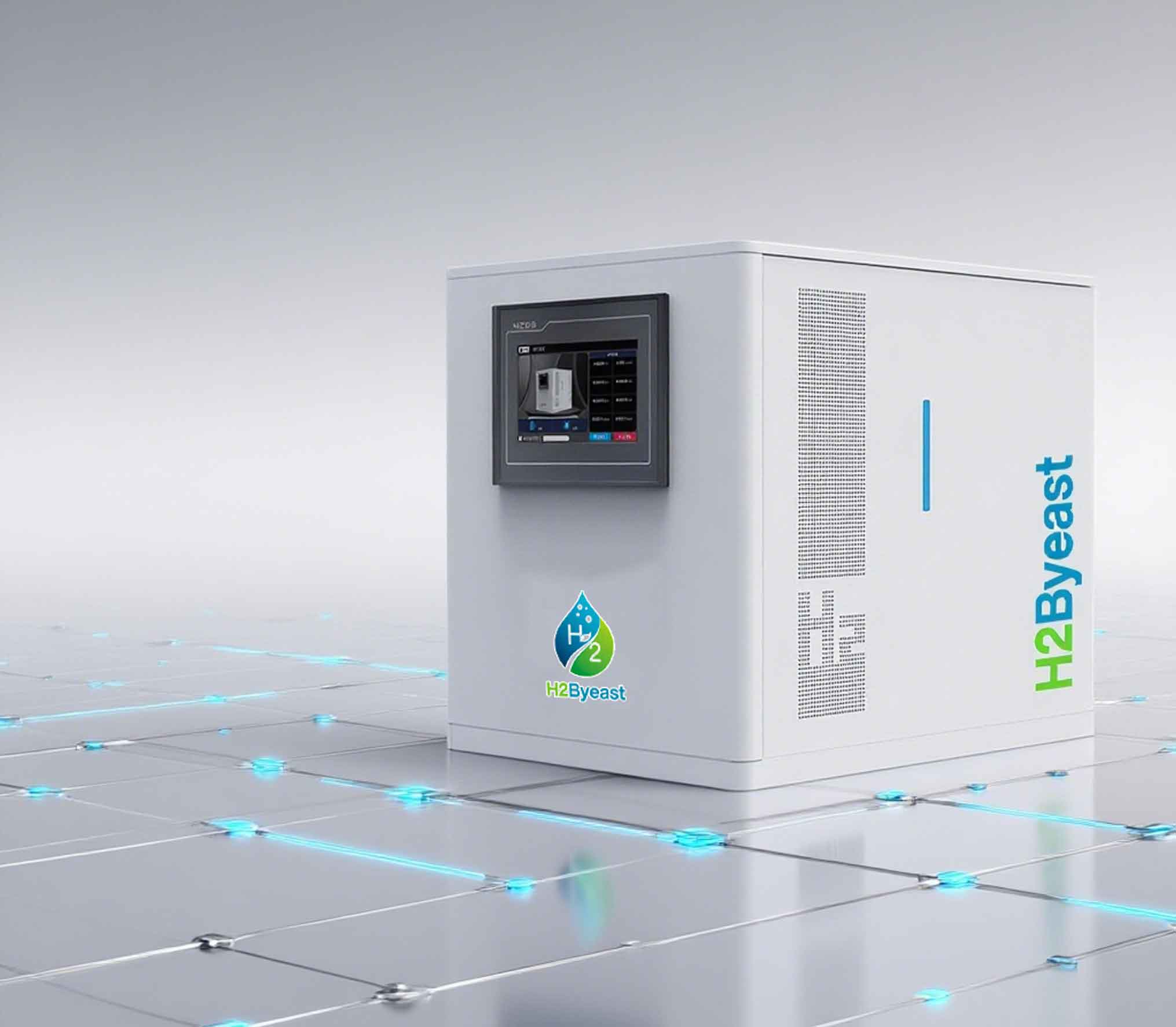
Hydrogen Generators:
√ On-demand hydrogen production
√ Continuous and stable supply
√ Improved safety
√ Lower long-term cost
Hydrogen Generator
vs
Cylinder
in Laboratory Settings
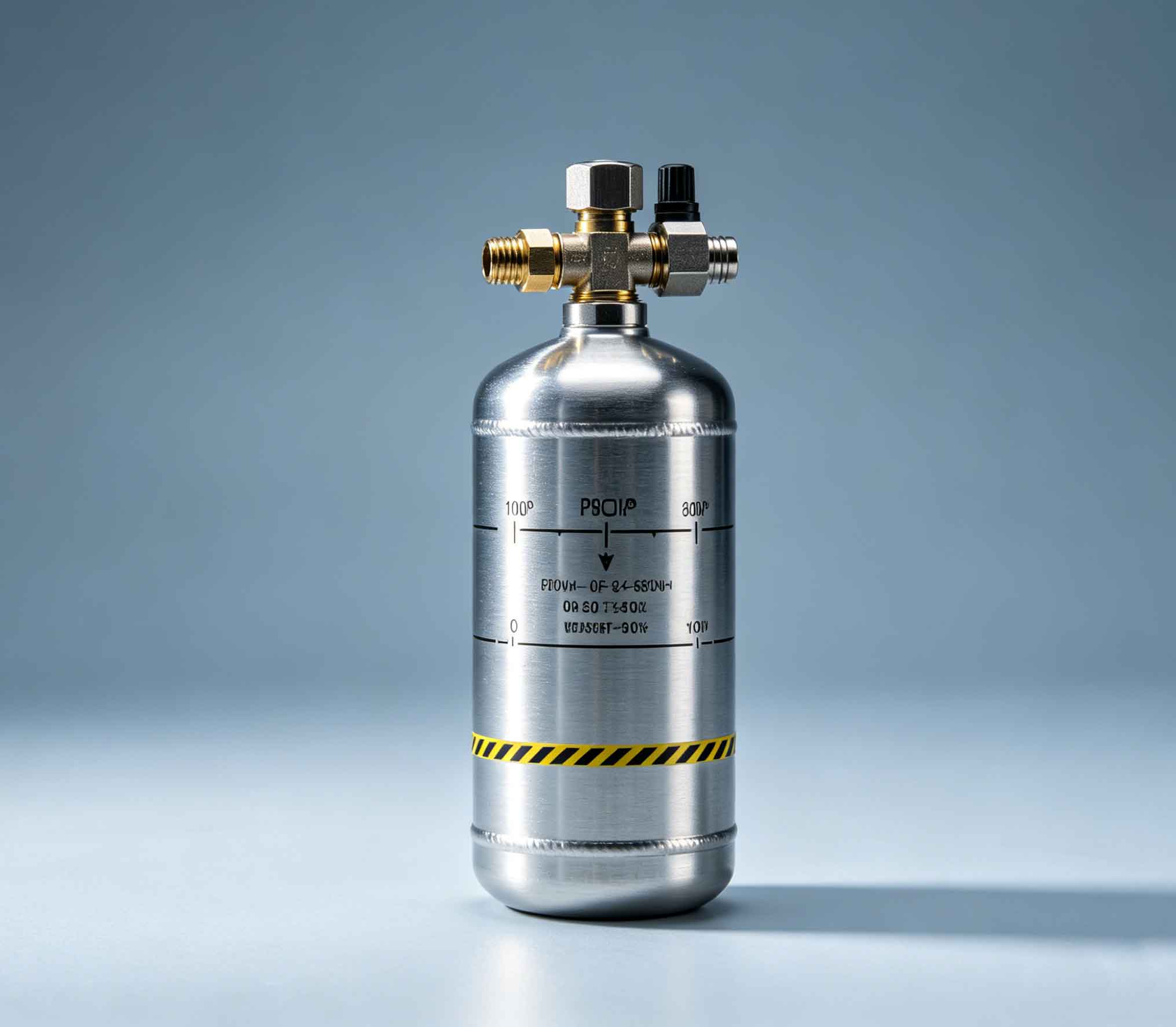
Hydrogen Cylinders:
× Require manual handling
× High-pressure safety risks
× Supply interruptions
× Ongoing cost
Typical Laboratory Applications
Hydrogen generators are widely used in:
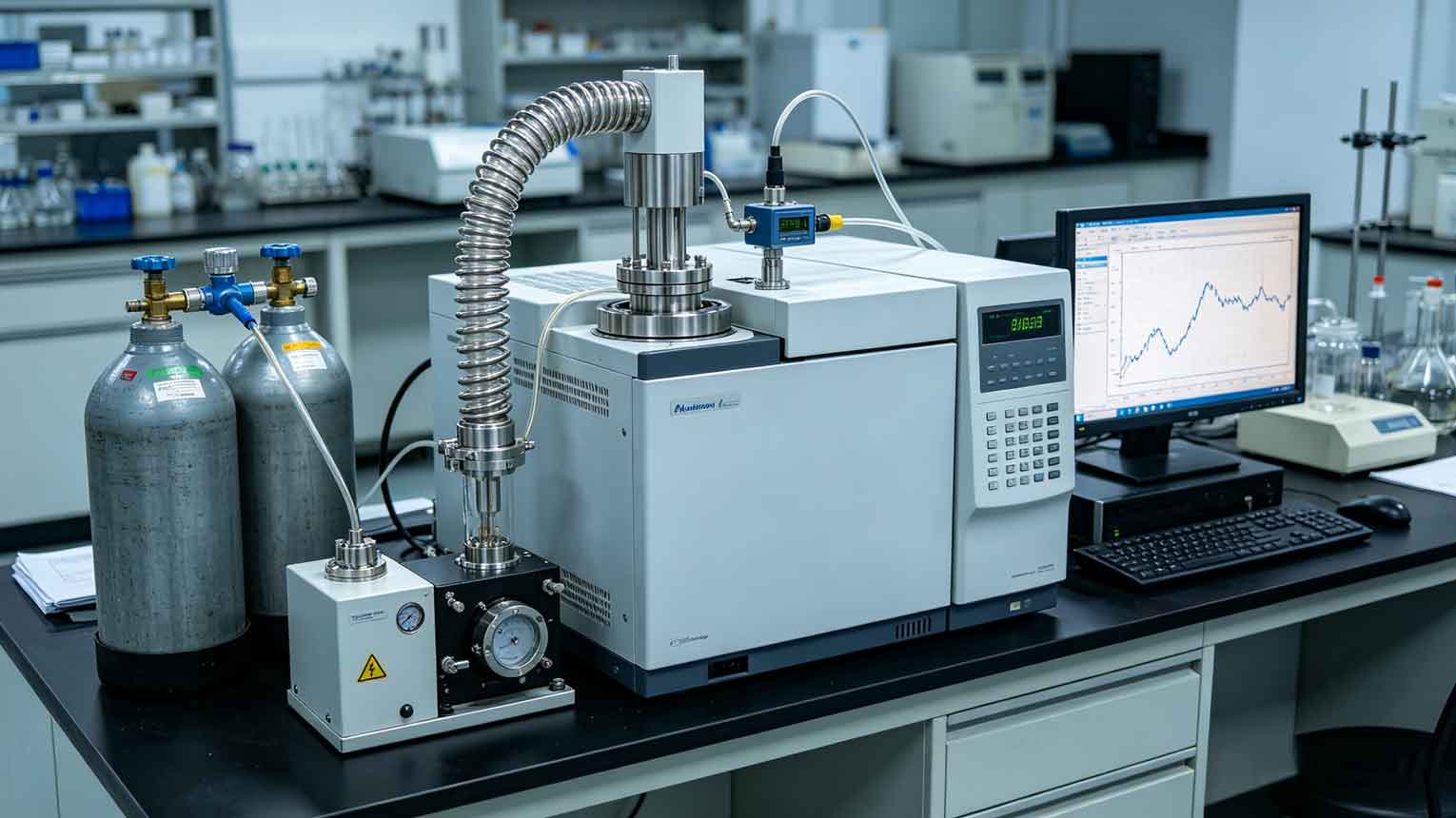
Gas chromatography systems
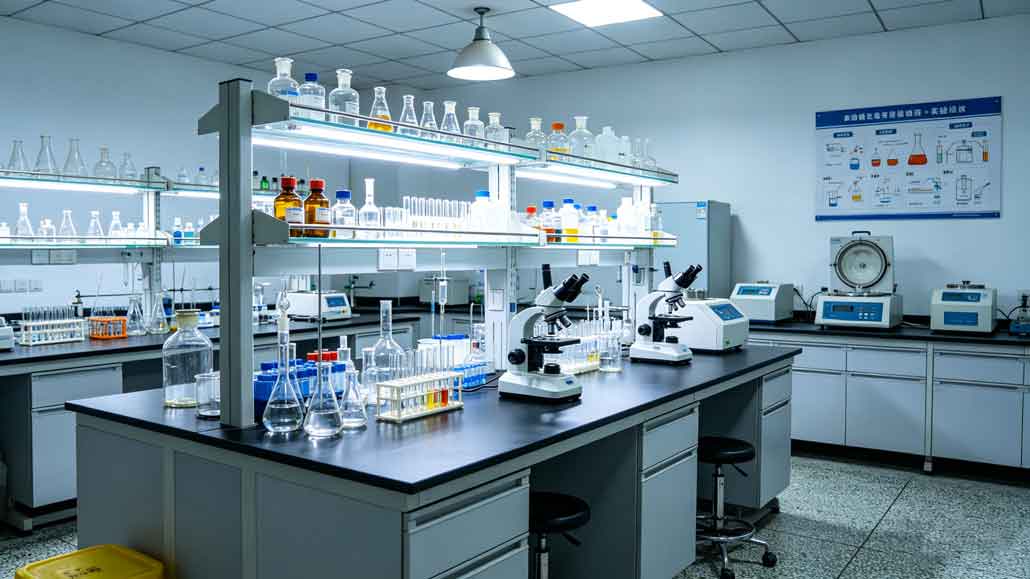
Analytical laboratories
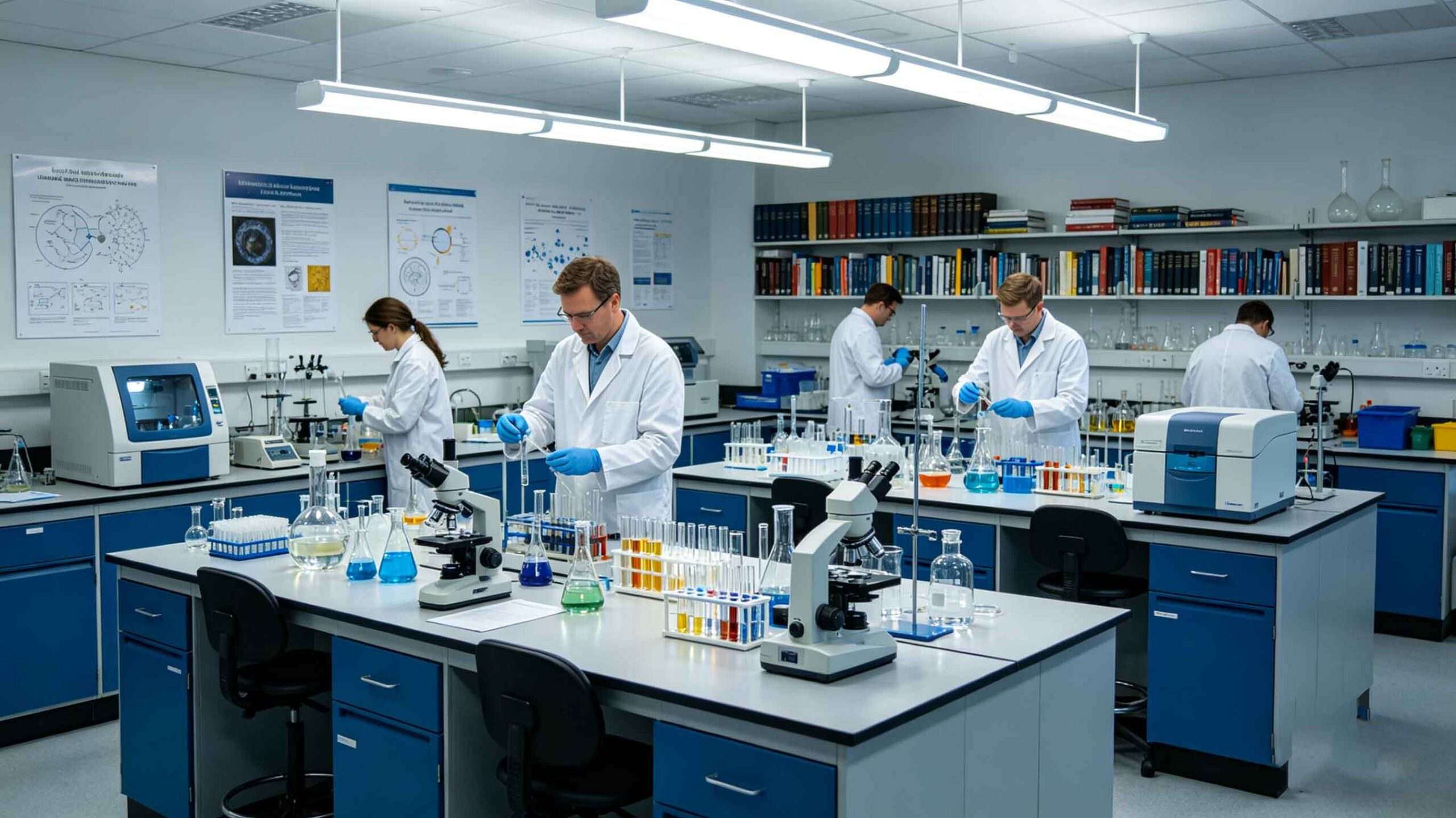
University research labs
Chemical & material testing environments
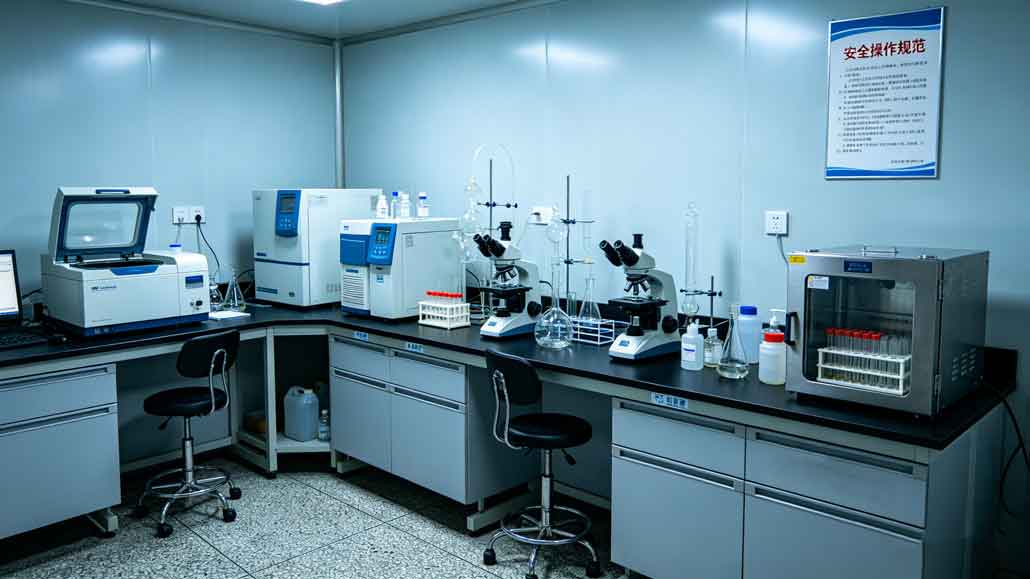
A hydrogen generator for laboratory ensures reliable hydrogen supply for these critical applications.
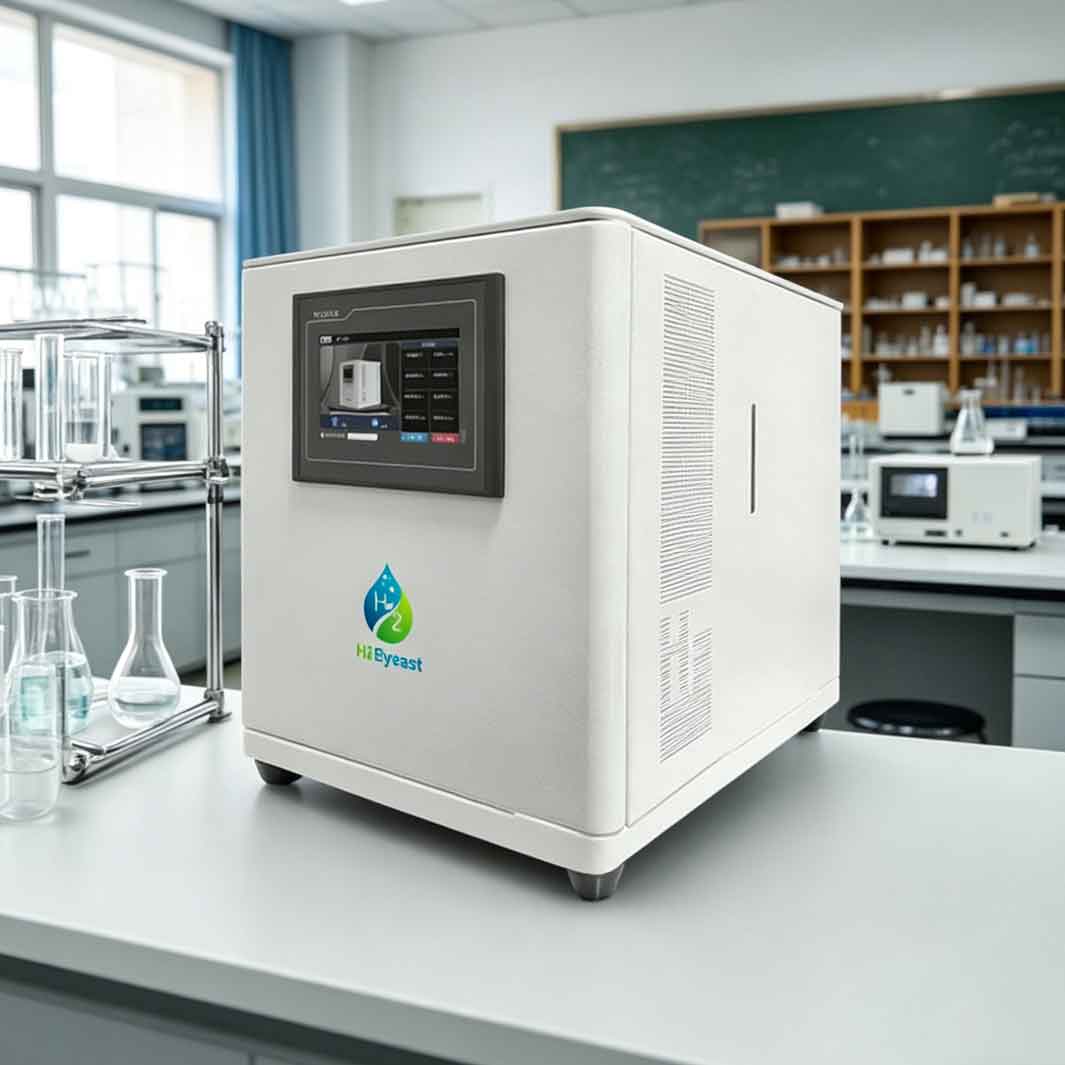
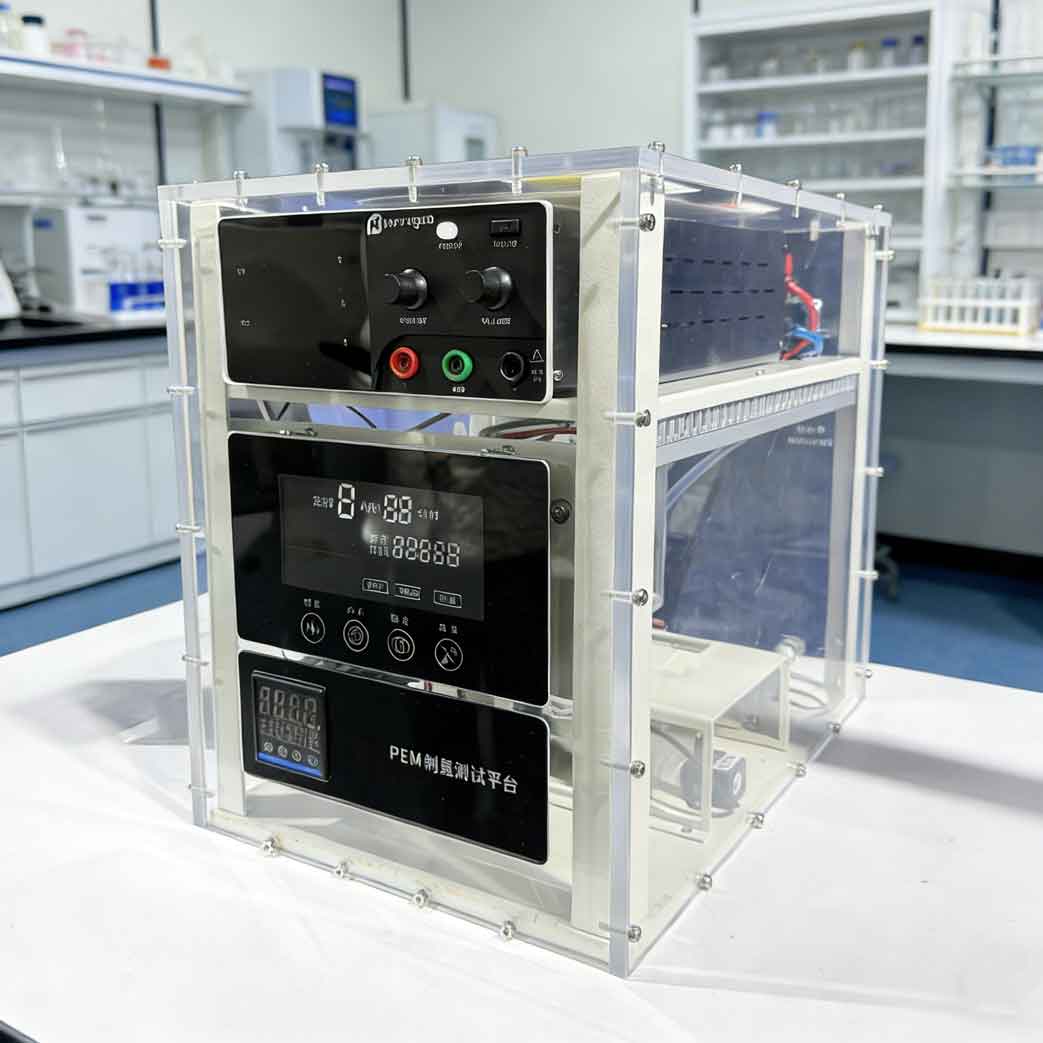
Recommended Hydrogen Systems
H2BYEAST provides compact systems suitable for laboratory environments:
Integration & Engineering Considerations
H2BYEAST systems are designed for easy laboratory integration:
★ Compact design for limited space
★ Plug-and-play installation
★ Stable pressure output
★ Low maintenance requirements
★ Engineering-driven design
★ Compact and reliable systems
★ Stable performance for laboratory use
★ Easy integration with analytical instruments
Why BYEAST Hydrogen Systems?
Start Upgrading Your Laboratory Hydrogen Supply
Frequently Asked Questions
Is a hydrogen generator safe for laboratory use?
Yes, it significantly reduces risks associated with high-pressure cylinders.
Can it replace hydrogen cylinders completely?
In most laboratory applications, yes.
Is maintenance complicated?
No, maintenance is minimal and easy to perform.
Can you accommodate customisation?
Of course, we offer OEM customisation solutions for hydrogen generators.