
Hydrogen Systems for Powder Metallurgy Applications
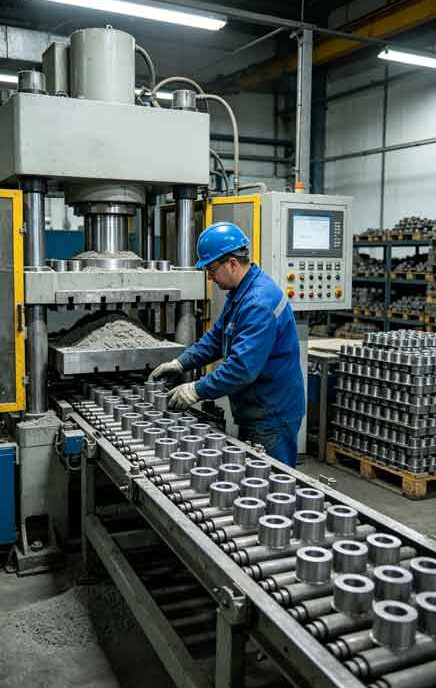
Stable Hydrogen Supply for Powder Metallurgy Processes
Hydrogen for Powder Metallurgy
Hydrogen plays an important role in powder metallurgy, where atmosphere control directly affects product quality, sintering efficiency, reduction behavior, and final material performance. In many powder metallurgy applications, hydrogen is used to create a reducing atmosphere, minimize oxidation, and support stable thermal processing.
As production standards increase and process consistency becomes more important, more manufacturers are moving away from hydrogen cylinders and exploring hydrogen generator for powder metallurgy applications. On-site hydrogen generation offers a practical alternative for companies that need continuous hydrogen supply, better process control, and lower long-term operating costs.
Why Hydrogen Is Used in Powder Metallurgy
Powder metallurgy processes often involve thermal treatment steps where atmosphere control is critical. Hydrogen is widely used because of its reducing properties and its ability to help maintain cleaner processing conditions.
Typical functions of hydrogen in powder metallurgy include:
Creating a reducing atmosphere during sintering
Preventing or limiting oxidation of metal powders
Supporting thermal treatment under controlled conditions
Improving part quality and surface finish
Enabling more stable and repeatable processing results
In these scenarios, hydrogen for powder metallurgy must be delivered with stable flow, suitable purity, and reliable continuity. Any interruption, impurity fluctuation, or unstable output can negatively affect product quality and process repeatability.
This is why hydrogen supply should be treated as part of the process system itself, not just as a purchased gas utility.
Traditional Hydrogen Cylinder & On-site Hydrogen Generation
Challenges with Traditional Hydrogen Cylinder Supply
Hydrogen cylinders are still commonly used in powder metallurgy operations, especially in smaller workshops, labs, or legacy production environments. However, cylinder-based supply creates several problems.
These limitations explain why many companies now prefer on-site hydrogen generation for powder metallurgy applications.
Why On-site Hydrogen Generation Makes Sense
A hydrogen generator for powder metallurgy provides hydrogen on demand at the point of use. Instead of relying on delivered gas, manufacturers produce hydrogen on-site with a compact PEM hydrogen generation system.
Key benefits include:
Unlike cylinder supply, on-site systems can be integrated as part of a controlled process environment. This gives operators greater confidence in flow stability, repeatability, and planning.
For many powder metallurgy users, the shift is not just about cost. It is about moving from a passive supply model to an active process-controlled hydrogen model.
Hydrogen Purity, Flow and Stability Requirements
In powder metallurgy, hydrogen supply quality matters. It is not enough to simply “have hydrogen.” The gas must be delivered under suitable process conditions.
Important requirements often include:
– Stable flow rate
– Reliable purity
– Continuous operation
– Compatibility with thermal systems
A well-designed hydrogen generator for powder metallurgy should support these needs without excessive complexity.
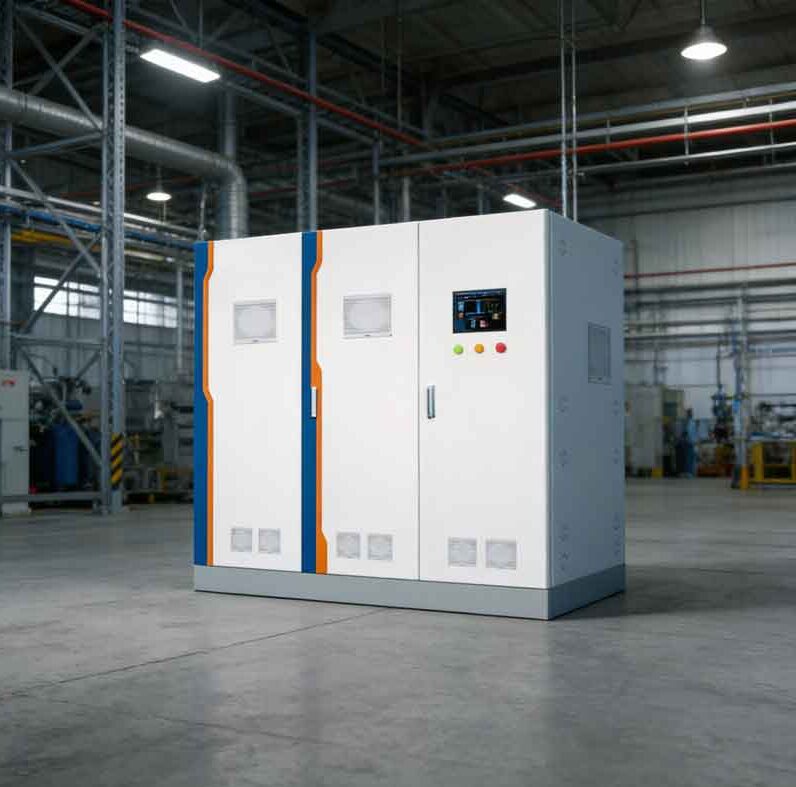
Hydrogen Generator vs Gas Cylinder in Powder Metallurgy
For many buyers, the most practical comparison is between a hydrogen generator and traditional cylinder supply.
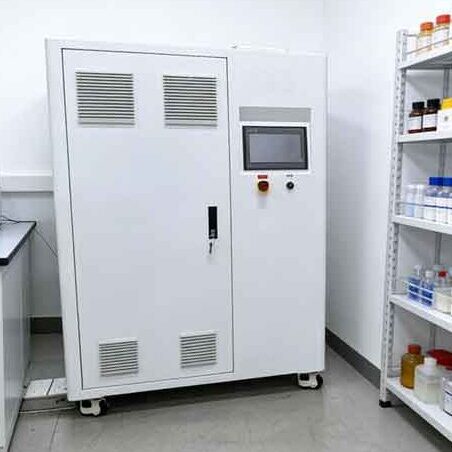
Hydrogen Generators
If your process depends on repeatable thermal conditions, stable hydrogen supply often becomes more valuable than the apparent convenience of cylinders.
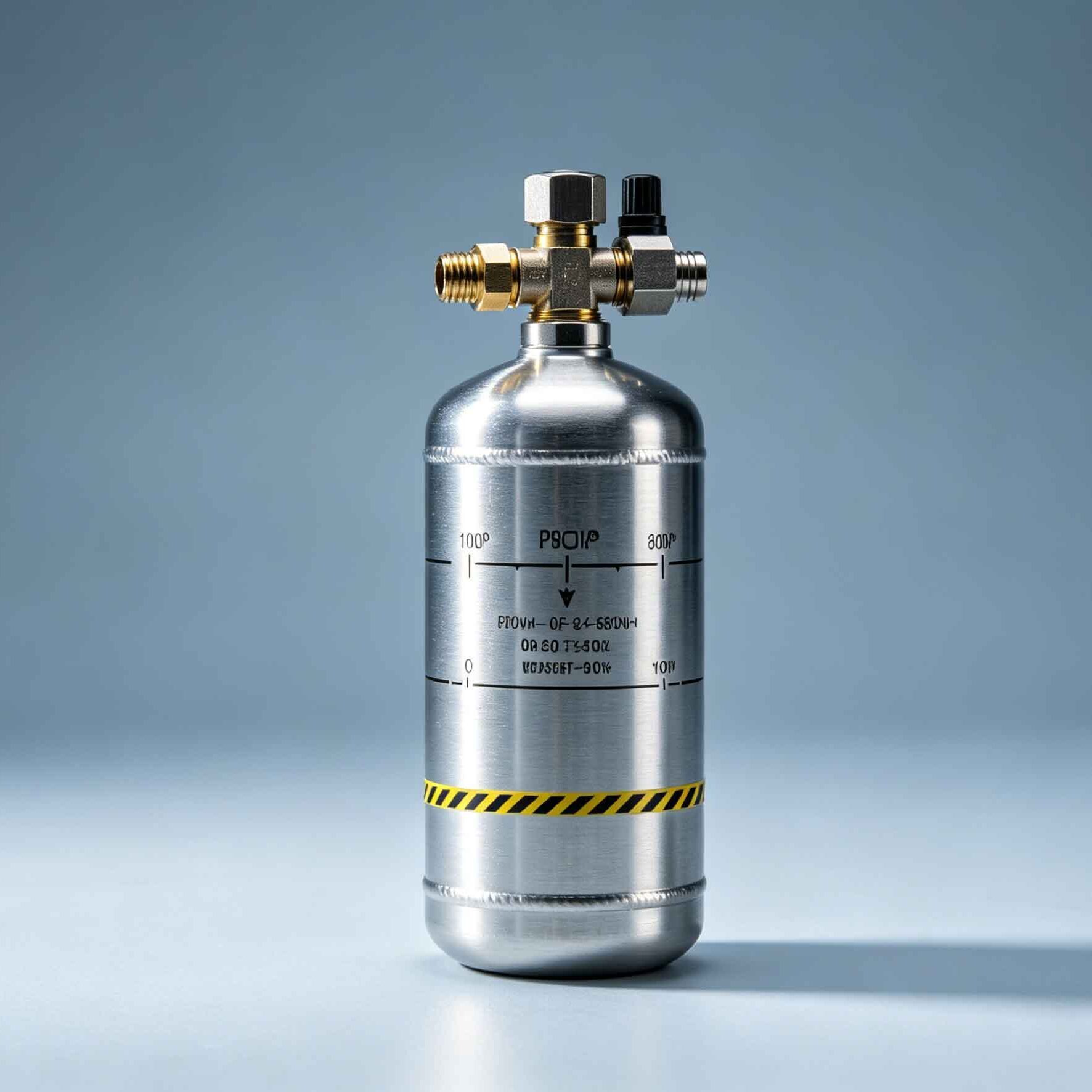
Hydrogen Cylinders
Typical Powder Metallurgy Use Scenarios
A hydrogen generator for powder metallurgy can support multiple environments:
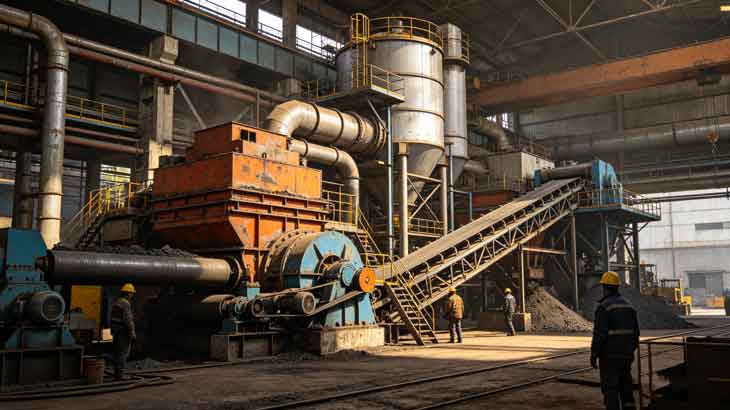
Sintering process lines
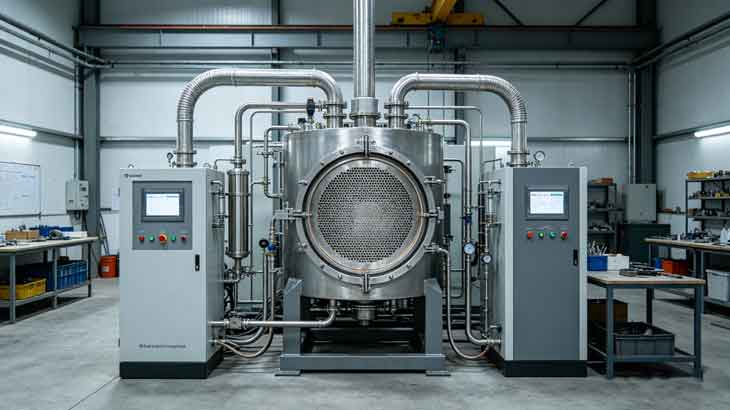
Reduction furnaces
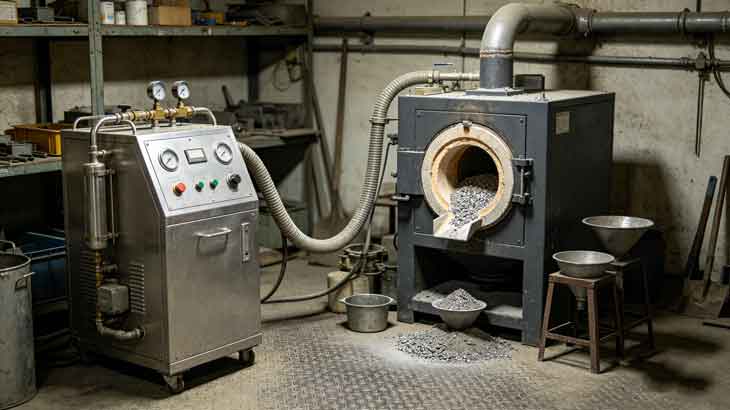
Small-scale metallurgical production
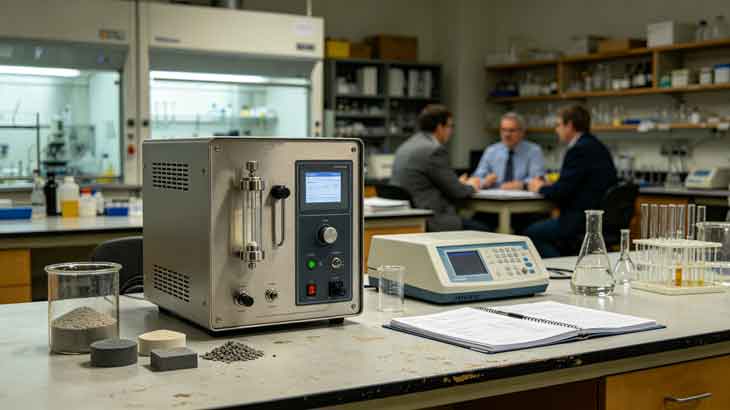
Materials development labs
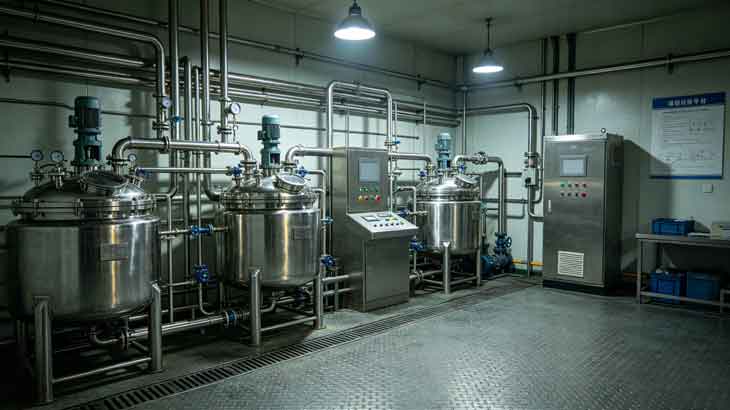
Pilot process platforms
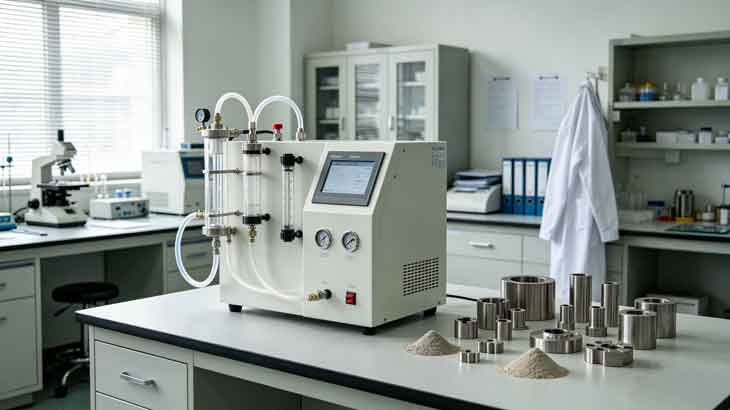
University and institute research setups
In production environments, the focus is usually on stability, safety, and atmosphere control. In R&D or pilot environments, the focus often includes flexibility, controllability, and ease of testing.
This is why compact and modular systems are often a strong fit.
Recommended Systems for Powder Metallurgy Applications
Depending on the process size and hydrogen demand, the following product lines are relevant:
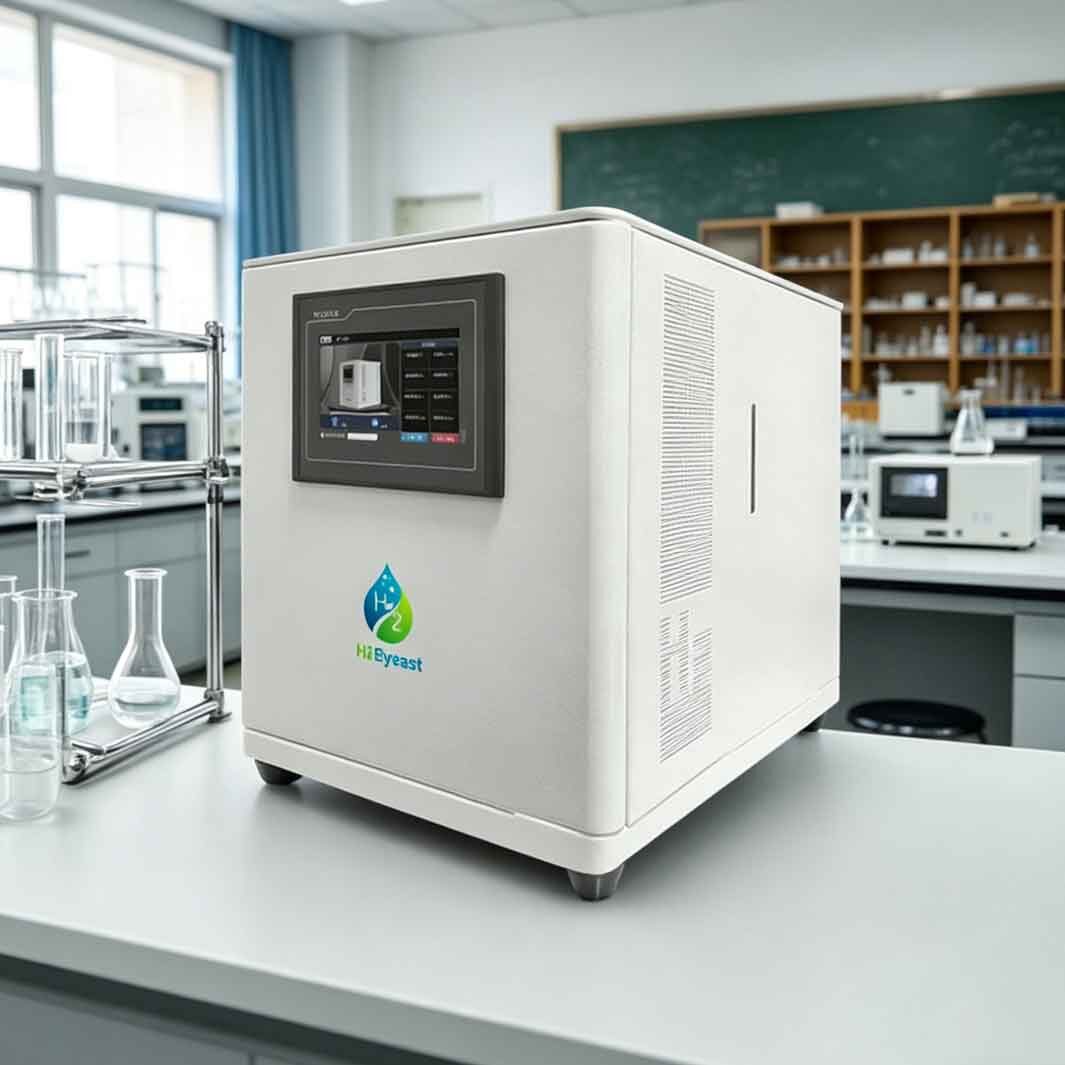
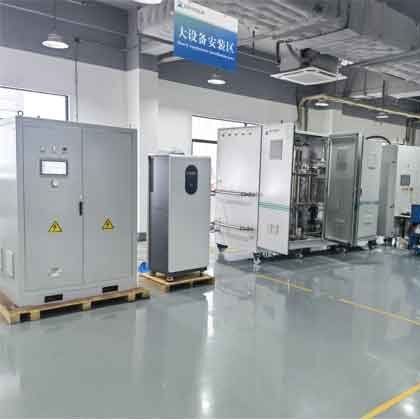
These systems are suitable for users who need compact on-site hydrogen generation without moving into very large centralized infrastructure.
Integration & Engineering Considerations
Learn more about system-level support:
For users comparing process routes or planning equipment upgrades, this engineering support is often the difference between a working hydrogen project and an expensive experiment.
Hydrogen generation should not be treated as a standalone box dropped beside a furnace. It needs to be considered as part of the total process arrangement.
Important integration points include:
★ Gas outlet compatibility with furnace or atmosphere piping
★ Stable flow and pressure control
★ Safety logic and shutoff considerations
★ Space planning and ventilation
★ Future scalability for added process demand
BYEAST supports application-level integration discussions, including compact layouts, interface compatibility, and engineering-oriented system matching.
BYEAST focuses on compact PEM hydrogen systems for industrial, laboratory, testing, and integration-driven applications. We are not trying to be everything to everyone. We work in a focused niche where process suitability and system practicality matter.
For powder metallurgy customers, our strengths include:
★ Engineering-driven compact hydrogen systems
★ Modular product architecture
★ Practical experience in small industrial hydrogen applications
★ Integration-friendly design philosophy
★ OEM and customization support when needed
We build systems for customers who need usable hydrogen solutions, not abstract hydrogen storytelling.
Why BYEAST
Explore hydrogen systems for powder metallurgy applications
Frequently Asked Questions
Can a hydrogen generator replace cylinders in powder metallurgy?
In many small and medium-demand applications, yes. On-site systems can reduce cylinder dependence and improve atmosphere stability.
Is PEM hydrogen suitable for thermal process applications?
Yes, if the system is correctly specified for the application and integrated with proper control and safety logic.
What matters most when selecting a system?
Flow requirement, purity requirement, operating cycle, integration layout, and safety expectations are the key starting points.
Is on-site generation only for large factories?
No. Compact systems are often especially useful for pilot lines, R&D environments, and distributed industrial use points.