
Hydrogen Systems for Two-wheel Refueling Applications
Compact Hydrogen Refueling Solutions for Small Mobility Applications
Hydrogen for Two-wheel Refueling
Hydrogen-powered two-wheel vehicles represent an interesting direction for clean mobility, especially in use cases where fast refueling, lightweight energy storage, and decentralized deployment matter. But one major obstacle remains: refueling infrastructure.
Large centralized hydrogen stations are expensive and often built for cars, buses, or trucks rather than small mobility formats. That creates a practical gap for hydrogen-powered scooters, bikes, and pilot two-wheel systems. A compact hydrogen refueling system can help address this gap by enabling local hydrogen production and simplified small-scale refueling.
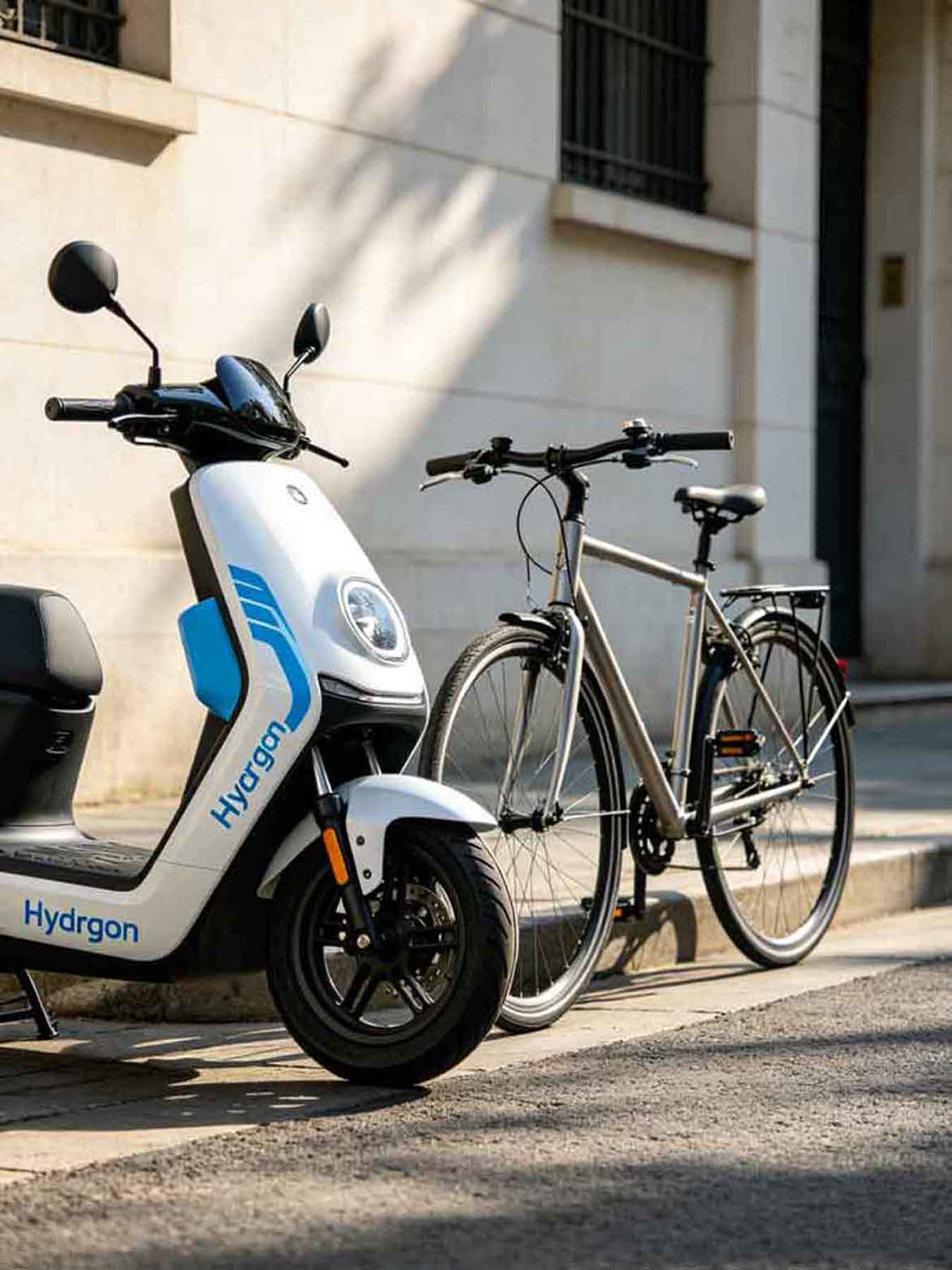
Why Small Mobility Needs a Different Hydrogen Model
Two-wheel mobility does not need the same infrastructure model as large commercial vehicles. The economics, footprint, and usage patterns are different.
Typical needs include:
Smaller hydrogen demand
Decentralized deployment
Lower infrastructure cost
Flexible installation locations
Easier access for demonstration or pilot use
This means hydrogen for two-wheel refueling must be delivered through systems that are compact, practical, and easier to deploy than full-scale station infrastructure.
Traditional Refueling Infrastructure & On-site Generation and Local Refueling
Challenges with Traditional Refueling Infrastructure
Traditional hydrogen refueling infrastructure presents several barriers for two-wheel mobility.
This is where compact hydrogen generation and refueling solutions become relevant.
Why On-site Generation and Local Refueling Make Sense
A compact hydrogen refueling system combines local hydrogen generation with a small-scale refueling model. This creates several advantages.
Benefits include:
A hydrogen refueling system for two-wheel mobility is not trying to replace every large station. It is solving a different problem: how to make small hydrogen mobility practical in localized scenarios.
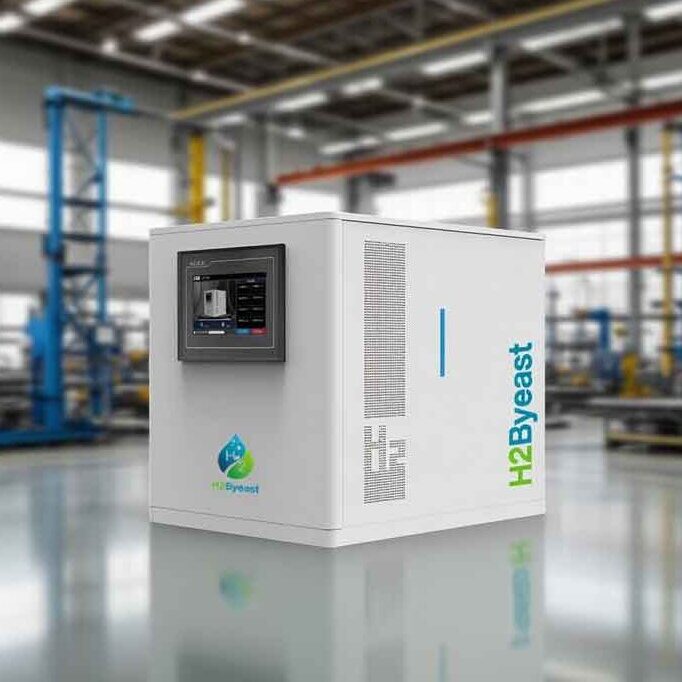
Hydrogen Generation Requirements for Small Refueling Systems
A compact hydrogen refueling system must meet several requirements:
– Safe operation
– Stable hydrogen output
– Compact footprint
– Practical control logic
– Integration readiness
These requirements make engineering quality especially important.
Typical Two-wheel Refueling Use Scenarios
Small-scale hydrogen refueling systems are relevant in:

Pilot mobility demonstration projects

Campus or community hydrogen mobility trials
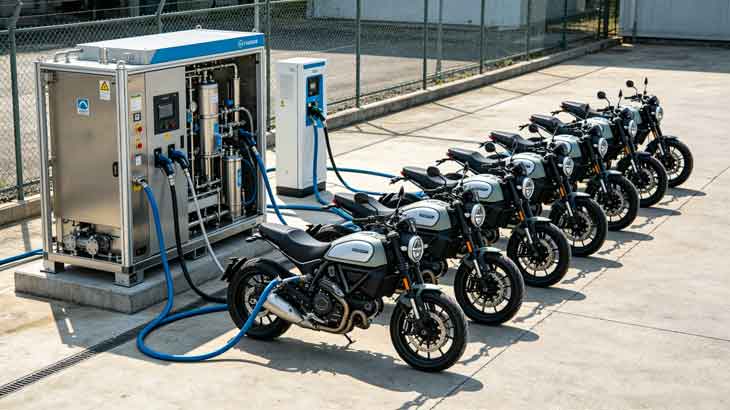
Fleet testing for two-wheel hydrogen vehicles
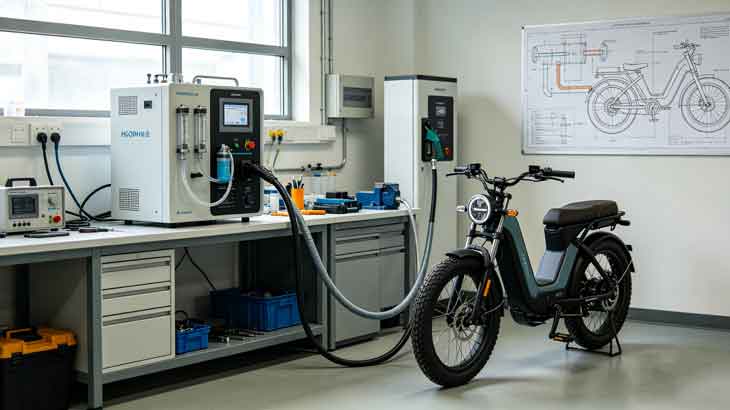
R&D environments
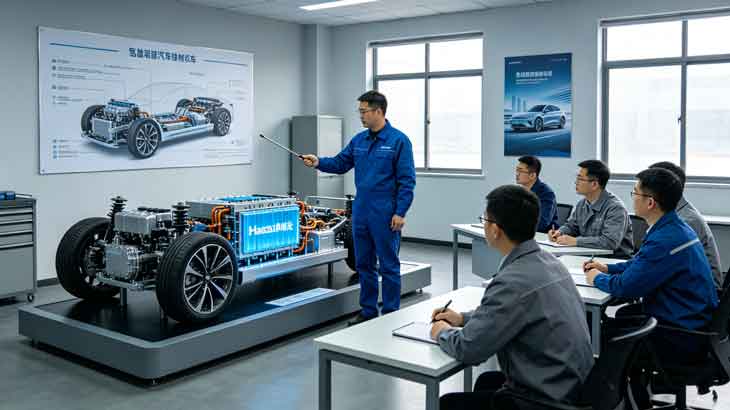
Training and education projects around hydrogen mobility
These use cases are often less about immediate mass deployment and more about proving usability, convenience, and system integration.
Centralized Supply vs Compact Refueling Solution
For many two-wheel mobility projects, the choice is not simply “use hydrogen or not.” The real question is whether to rely on centralized fuel infrastructure or use a smaller distributed system.
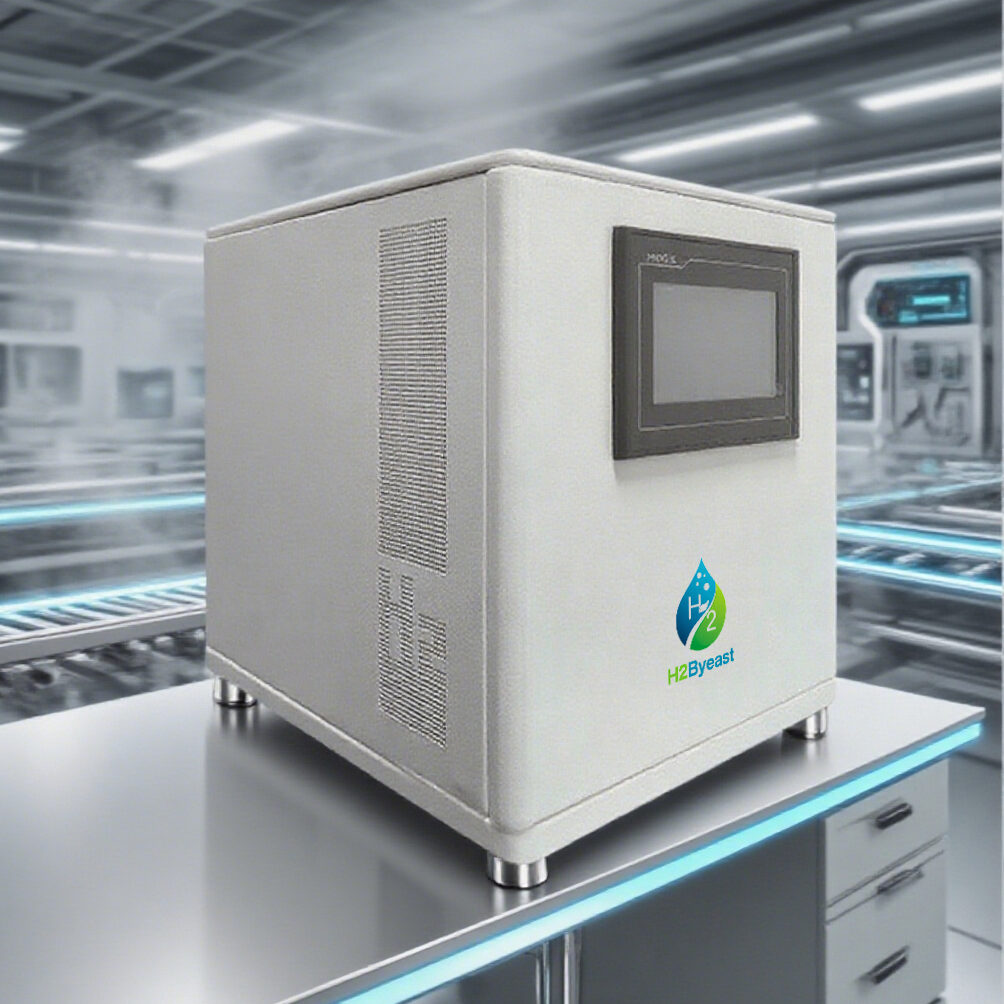
Compact Hydrogen Refueling System
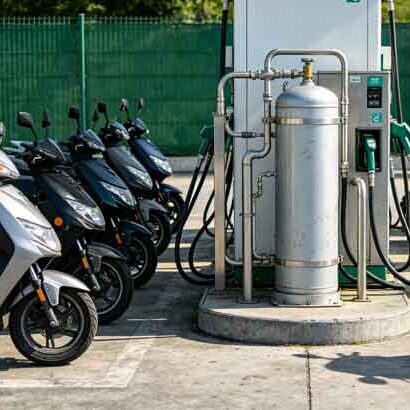
Centralized Hydrogen Supply
For early-stage mobility projects, compact systems can be the more realistic route.
Recommended Systems for Two-wheel Refueling Applications
Relevant product lines include:
Integration & Engineering Considerations
Hydrogen refueling for two-wheel projects requires careful system matching. Important considerations include:
★ Hydrogen output and storage configuration
★ Refueling interface design
★ Safety logic and control
★ Site conditions and footprint
★ Pilot project or demonstration workflow
BYEAST supports compact hydrogen system discussions for projects where local generation and small-scale refueling are part of the deployment concept.
BYEAST focuses on compact PEM hydrogen systems that fit small industrial, laboratory, educational, testing, and integration-driven applications.
For two-wheel mobility projects, our strengths include:
★ Compact hydrogen system design
★ Practical fit for decentralized deployment
★ Engineering-oriented system matching
★ Modular architecture
★ OEM and application support
We understand that in small mobility, the hydrogen solution must be practical first, not just conceptually attractive.
Why BYEAST
Explore compact hydrogen refueling solutions for small mobility applications
Frequently Asked Questions
Is a compact hydrogen system suitable for two-wheel refueling?
Yes, especially in pilot, R&D, or localized deployment scenarios where full station infrastructure is not practical.
Can this replace a full hydrogen station?
No. It serves a different purpose and is more suitable for small-scale or distributed applications.
Is it mainly for demonstration projects?
It is highly relevant for pilots and demonstration projects, but can also support niche operational scenarios depending on system design.
Why is local hydrogen generation attractive here?
Because it reduces infrastructure dependency and makes hydrogen mobility easier to deploy in smaller ecosystems.