
Hydrogen Generator vs Gas Cylinder: Cost, Safety and Efficiency Comparison
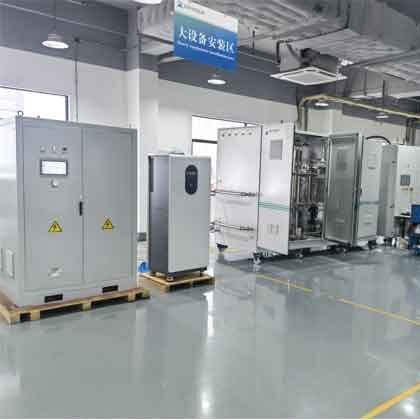
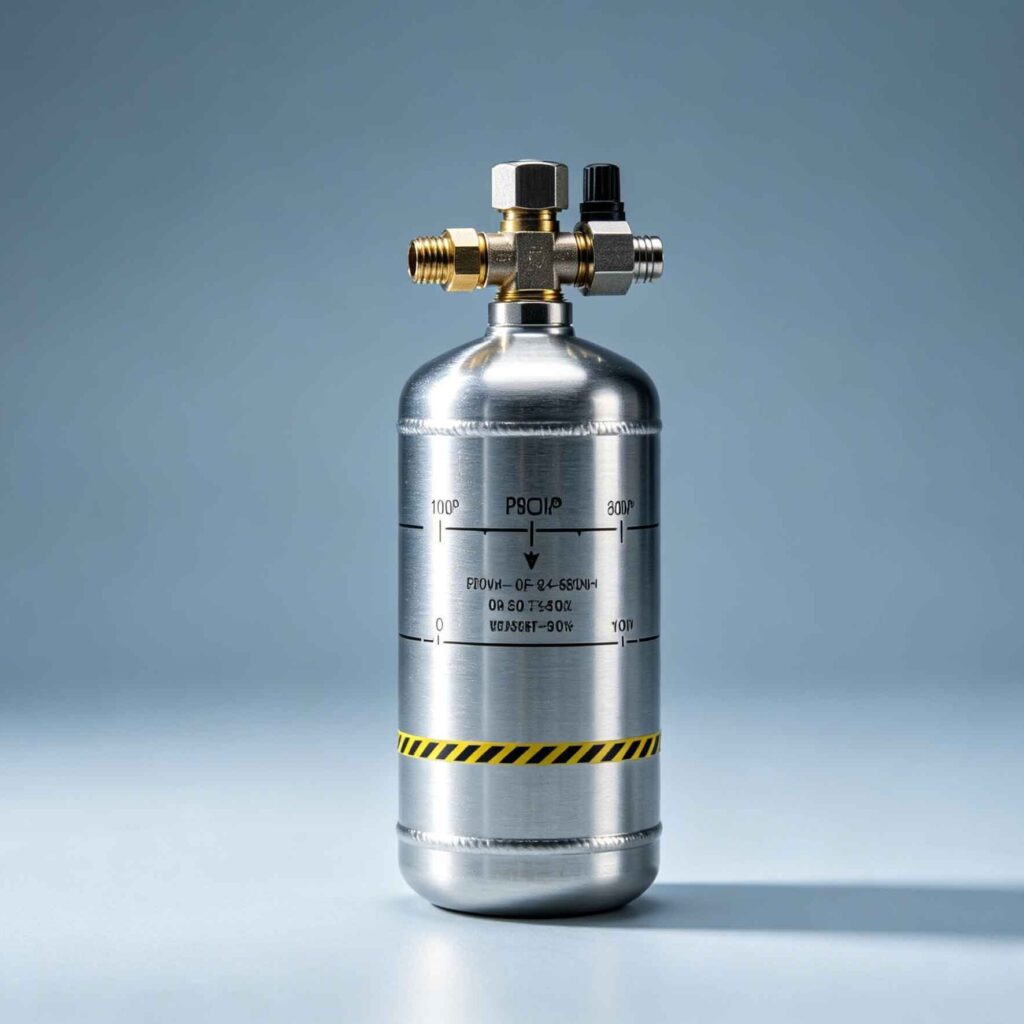
Hydrogen Generator vs Gas Cylinder
A hydrogen generator is generally safer, more cost-efficient over time, and provides a continuous hydrogen supply, while gas cylinders are easier to start with but involve higher long-term costs, safety risks and supply limitations.
For most laboratory and industrial applications, on-site hydrogen generation is the preferred solution once hydrogen demand becomes continuous or critical to operations.
Introduction
Hydrogen is widely used across laboratory analysis, semiconductor manufacturing, chemical synthesis, heat treatment and many industrial processes. One of the most important decisions for users is how to supply hydrogen reliably and efficiently.
Traditionally, hydrogen gas cylinders have been the default option. However, with the development of PEM (Proton Exchange Membrane) technology, hydrogen generators are increasingly replacing cylinders in many applications.
This article provides a clear comparison of hydrogen generator vs gas cylinder, focusing on cost, safety and operational efficiency, helping you choose the right solution for your application.
What is a Hydrogen Generator?
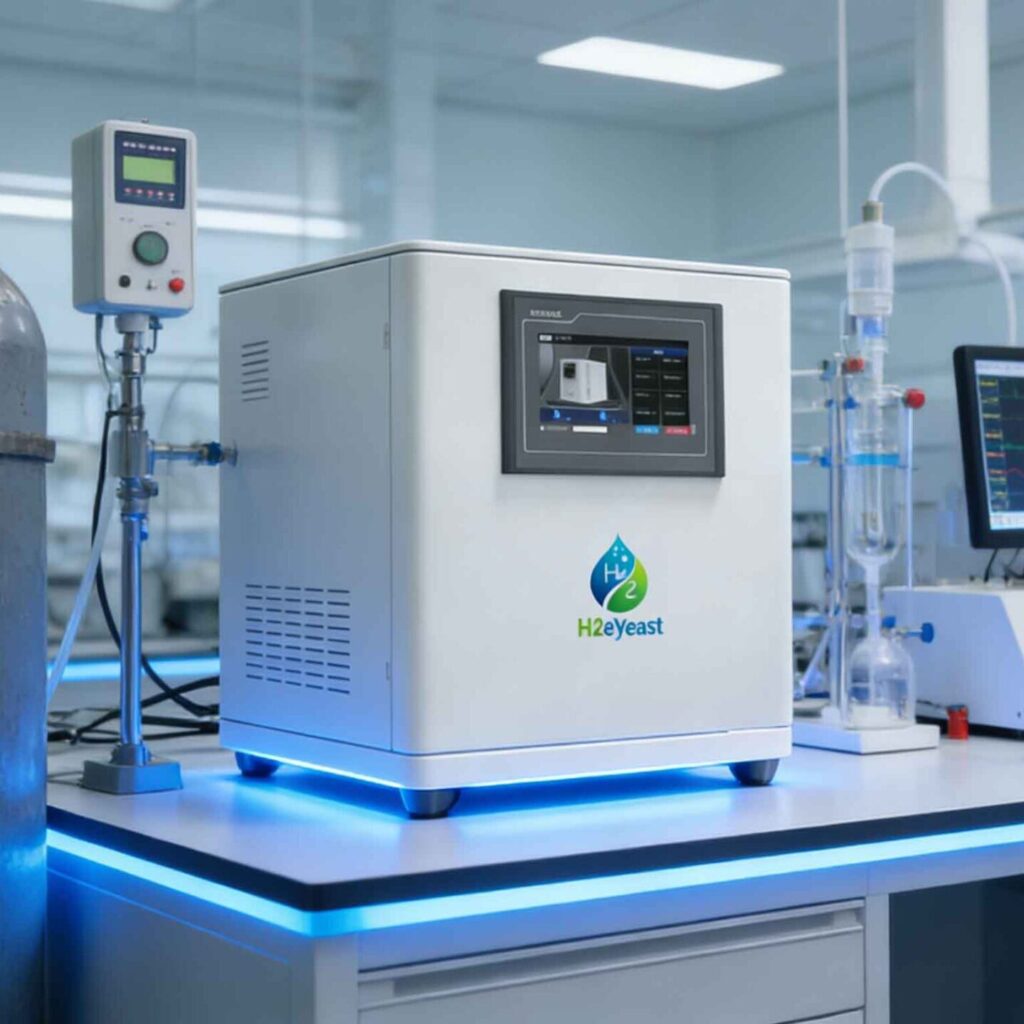
A hydrogen generator is a system that produces hydrogen on-site using water and electricity, typically through PEM electrolysis.
Key characteristics:
- On-site hydrogen generation
- Continuous supply
- Controlled flow and pressure
- Compact system design
- Reduced reliance on external suppliers
What is a Gas Cylinder Hydrogen Supply?
A hydrogen gas cylinder is a high-pressure storage tank filled with compressed hydrogen gas, delivered by gas suppliers and replaced when empty.
Key characteristics:
Delivered hydrogen supply
High-pressure storage (typically 150–300 bar)
Requires manual replacement
Dependent on logistics and supply chain
Gas cylinders are widely used due to their simplicity, especially in small-scale or occasional-use scenarios.
Cost Comparison: Hydrogen Generator vs Gas Cylinder
Cost is often the first factor considered when comparing hydrogen supply methods. However, the real difference lies in long-term operating cost rather than initial investment.
| Category | Gas Cylinders | Hydrogen Generator |
| 1. Upfront Cost | Low initial cost | Higher upfront investmentMany users start with cylinders due to this difference |
| 2. Operating Cost | Recurring costs: • Gas refill charges • Transportation fees • Cylinder rental • Handling and labor | Primarily consumes: • Water • Electricity Significantly lower long‑term operating costs |
| 3. Long‑term Cost | Cost increases linearly for continuous‑use applications | Cost stabilizes for continuous‑use applicationsBecomes more economical within 1–2 years of operation in most cases |
| Cost Summary Table | ||
| Factor | Gas Cylinder | Hydrogen Generator |
| Initial cost | Low | Higher |
| Operating cost | High | Low |
| Logistics cost | High | None |
| Long-term cost | Expensive | Cost-effective |
Safety Comparison
Safety is one of the most critical differences between hydrogen generator vs gas cylinder.
1. Pressure Risk
Gas cylinders store hydrogen at very high pressure, which introduces:
Explosion risk
Leakage hazards
Strict storage requirements
Hydrogen generators typically produce hydrogen at low pressure, significantly reducing risk.
2. Storage and Handling
Gas cylinders require:
Special storage areas
Securing and transportation handling
Regulatory compliance
Hydrogen generators eliminate most storage concerns since hydrogen is produced on demand.
3. Leak Risk
With cylinders:
Large volume stored
Higher risk if leakage occurs
With generators:
Minimal stored hydrogen
Lower hazard level
| Safety Summary Table | ||
| Factor | Gas Cylinder | Hydrogen Generator |
| Pressure | High | Low |
| Storage risk | High | Minimal |
| Leak impact | Significant | Limited |
| Safety control | External | System-controlled |
Efficiency and Workflow Comparison
Beyond cost and safety, efficiency plays a major role in selecting a hydrogen supply method.
1. Supply Continuity
● Gas cylinders:
Require replacement
Can interrupt operations
● Hydrogen generators:
Continuous hydrogen supply
No interruption
This is critical for:
GC systems
Semiconductor processes
Industrial production lines
2. Workflow Efficiency
● Gas cylinders:
Manual handling required
Downtime during replacement
● Hydrogen generators:
Fully automated
Minimal intervention
3. Space Utilization
● Gas cylinders:
Require storage space
Often bulky
● Hydrogen generators:
Compact systems
Can be installed near equipment
| Efficiency Summary Table | ||
| Factor | Gas Cylinder | Hydrogen Generator |
| Supply continuity | Interrupted | Continuous |
| Workflow | Manual | Automated |
| Space usage | High | Compact |
Application-Based Comparison
Different applications have different requirements.
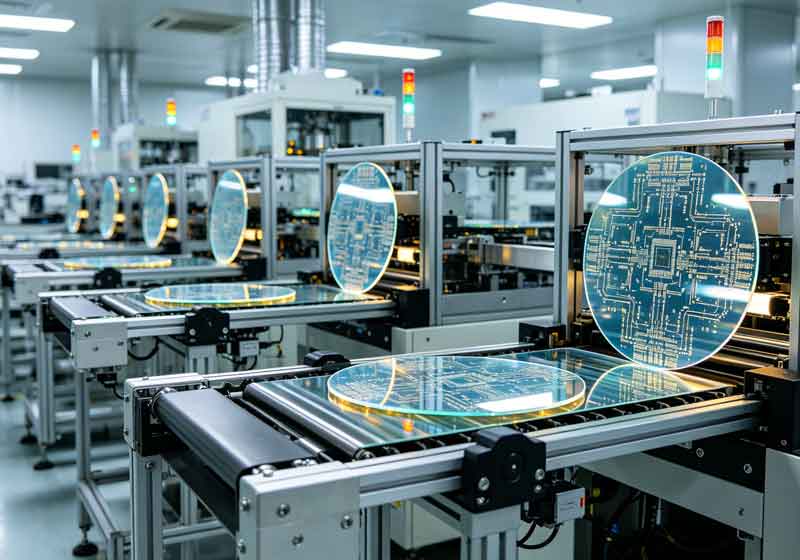
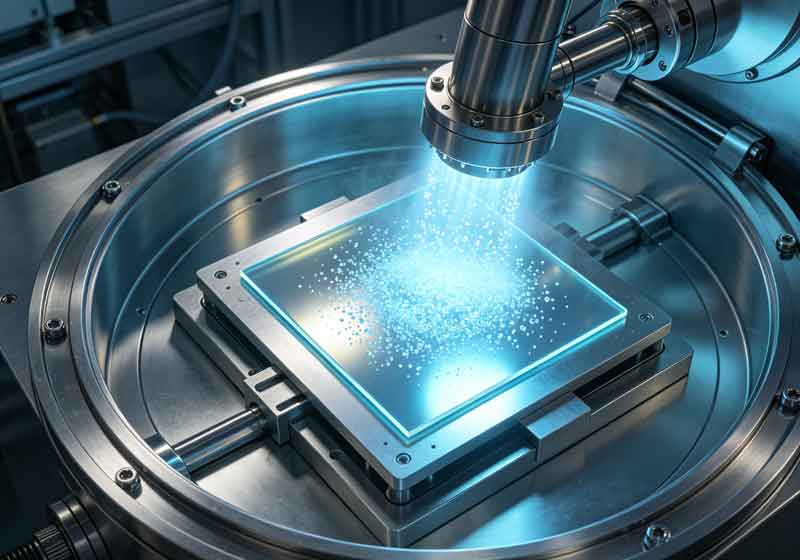
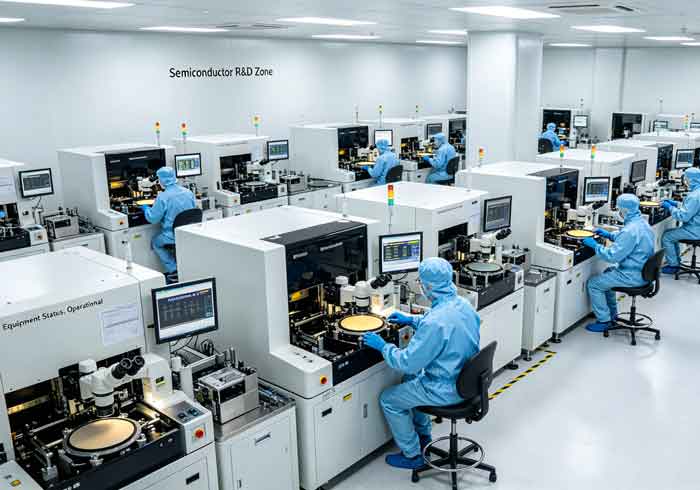
Laboratory Applications
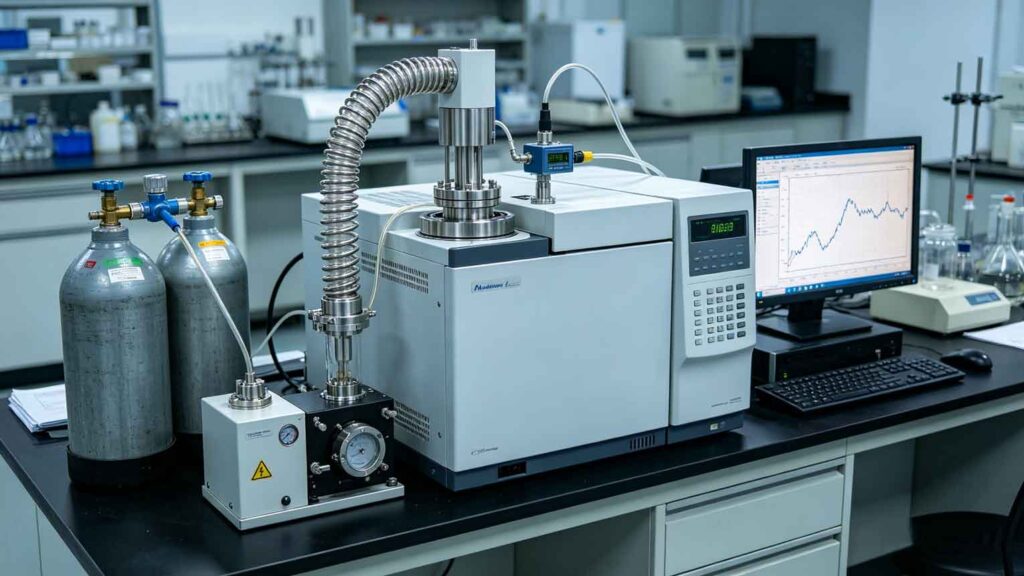
Hydrogen generators are widely used in:


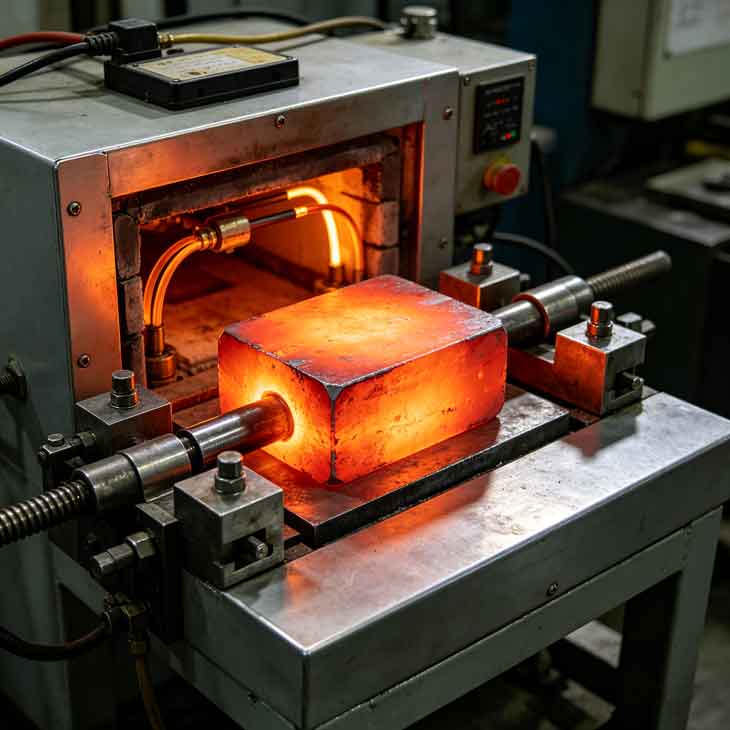
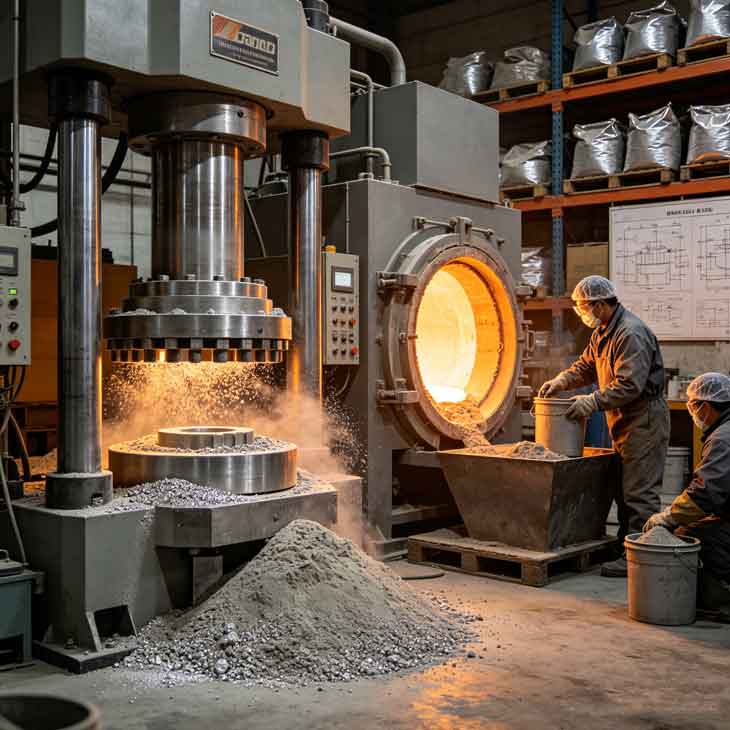
Industrial Processing
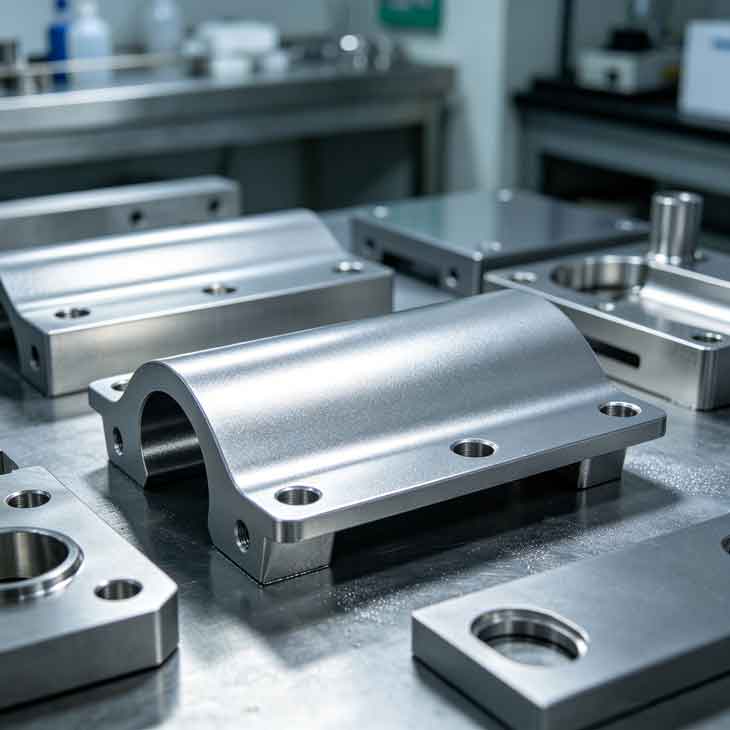
Including:
When Should You Choose a Hydrogen Generator?
A hydrogen generator is recommended when:
Hydrogen is used daily
Continuous operation is required
Safety concerns are important
Cost optimization is needed
Scaling is planned
When Are Gas Cylinders Still Suitable?
Gas cylinders may still be suitable for:
Very low hydrogen consumption
Temporary or mobile use
Early-stage testing
However, they become inefficient as usage increases.
Environmental Considerations
Hydrogen generators also offer environmental benefits:
Reduced transportation emissions
Lower carbon footprint
Efficient resource usage
This aligns with sustainability goals in many industries.
Hydrogen Generator vs Gas Cylinder: Final Verdict
In most modern applications, hydrogen generators outperform gas cylinders in:
Cost efficiency
Safety
Reliability
Operational efficiency
Gas cylinders remain useful for small-scale or temporary use, but on-site hydrogen generation is the preferred long-term solution.
Frequently Asked Questions
Is a hydrogen generator cheaper than gas cylinders?
Yes, in long-term use due to lower operating costs.
Is on-site hydrogen safe?
Yes, especially compared to high-pressure cylinder storage.
Can hydrogen generators replace cylinders completely?
In most continuous-use applications, yes.
No responses yet