
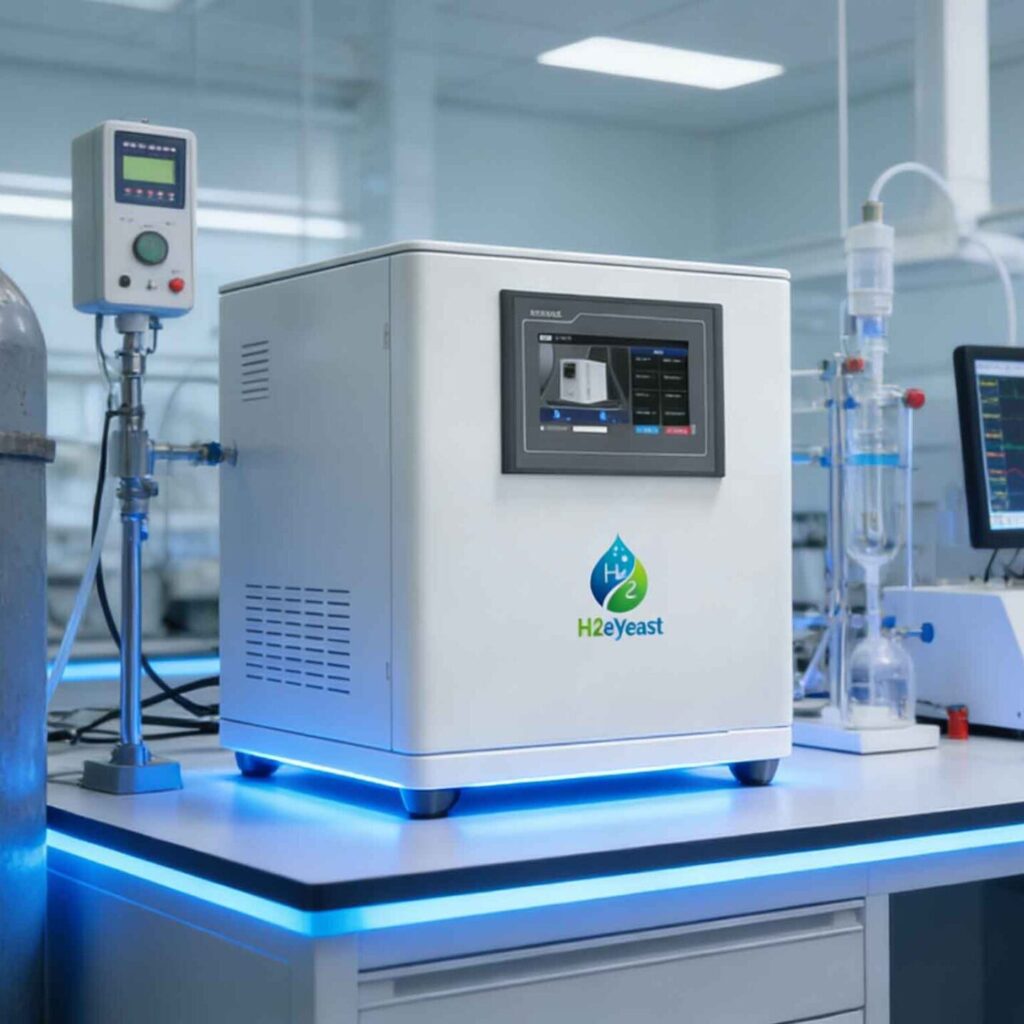
Hydrogen has become a cornerstone in modern laboratory operations. From gas chromatography (GC) and GC-MS to ICP-MS and other analytical instruments, hydrogen is frequently used as a carrier gas, a reducing agent, or for high-sensitivity detection applications. Traditionally, laboratories have relied on compressed hydrogen cylinders to meet their gas supply needs. While effective, this approach comes with several significant drawbacks.
High-pressure hydrogen cylinders present safety risks, including potential leaks, explosions, and asphyxiation hazards. They also involve complex logistics—transporting, storing, and regularly replacing cylinders can disrupt lab operations. Additionally, the cost of hydrogen cylinders fluctuates with market conditions, impacting budgeting and procurement for laboratories.
In response to these challenges, the Proton Exchange Membrane (PEM) hydrogen generator has emerged as the modern laboratory standard. PEM hydrogen generators provide an on-demand, high-purity, and safe hydrogen supply. In 2026, laboratories around the world are increasingly adopting PEM technology as a best practice for both routine and high-precision experiments.
What is PEM Technology?
PEM, or Proton Exchange Membrane technology, is an advanced method for producing high-purity hydrogen through water electrolysis. Unlike conventional alkaline electrolysis, PEM uses a solid polymer membrane to conduct protons from the anode to the cathode, while electrons travel through an external circuit, generating hydrogen at the cathode and oxygen at the anode.
How PEM Electrolysis Works?
| Electrolysis | Water is split into hydrogen and oxygen via an applied electrical current. |
| Proton Transfer | Protons migrate through the solid polymer membrane. |
| Electron Flow | Electrons are conducted through the external circuit to recombine at the cathode, forming high-purity hydrogen gas. |
| Oxygen Release | Oxygen is safely vented or collected at the anode side. |
PEM vs. Alkaline Electrolysis
| Feature | PEM Hydrogen Generator | Alkaline Electrolyzer |
| Purity | ≥99.999% | 99.0–99.9% |
| Response Speed | Instant-on, suitable for dynamic lab needs | Slower startup |
| Electrolyte | Pure water only, no corrosive chemicals | KOH or NaOH, requires careful handling |
| Maintenance | Low, membrane requires minimal upkeep | Regular cleaning, electrolyte replacement |
| Footprint | Compact, bench-top models available | Larger, floor-standing units |
By eliminating corrosive electrolytes and providing ultra-high-purity hydrogen, PEM technology meets the most stringent laboratory requirements while minimizing operational hazards.
Key Benefits of Using a PEM Hydrogen Generator in the Lab
- High Purity for Analytical Accuracy
Laboratories demand hydrogen purity to ensure instrument performance and reproducibility. A PEM hydrogen generator delivers hydrogen gas with purities exceeding 99.999%, which is critical for:
GC Carrier Gas: Reduces baseline noise and improves detection limits.
GC-MS Applications: Protects sensitive ion sources from contamination.
ICP-MS and Elemental Analysis: Avoids spectral interferences caused by impurities.
High-purity hydrogen also extends the lifetime of analytical columns and detectors, reducing operational costs over time.
- Safety First
Unlike high-pressure cylinders, PEM hydrogen generators operate at low pressure with minimal stored gas. Modern generators include multiple safety features:
Leak detection sensors
Automatic shut-off valves
Overcurrent and over-temperature protection
Pressure relief systems
These safeguards make bench-top hydrogen production safe for laboratory personnel and simplify compliance with workplace safety regulations.
- Convenience and Continuous Supply
PEM hydrogen generators produce gas on-demand, eliminating the need to store and handle heavy cylinders. Key convenience factors include:
Instant hydrogen availability for experiments
No interruptions due to empty cylinders
Reduced dependency on third-party gas suppliers
This allows laboratory staff to focus on research rather than logistics.
- Space-Saving Design
Laboratory benches are often crowded with equipment. PEM generators are designed with compact form factors:
Bench-top or under-counter placement
Minimal footprint compared to cylinder racks
Modular options for integration with existing lab gas lines
Space efficiency is particularly valuable in small or high-throughput labs where every square meter counts.
Cost and Safety Comparison: Generator vs. Cylinders
Cost Analysis:
| Item | Hydrogen Cylinder | PEM Generator |
| Initial Investment | Low | Moderate (one-time purchase) |
| Running Cost | High (rental, delivery, gas fees, labor) | Low (water + electricity) |
| Payback Period | N/A | Typically 12–24 months depending on usage |
While cylinders may seem cheaper initially, recurring delivery, rental, and handling costs quickly add up. A PEM hydrogen generator, although requiring upfront investment, offers significant long-term cost savings.
Safety Considerations
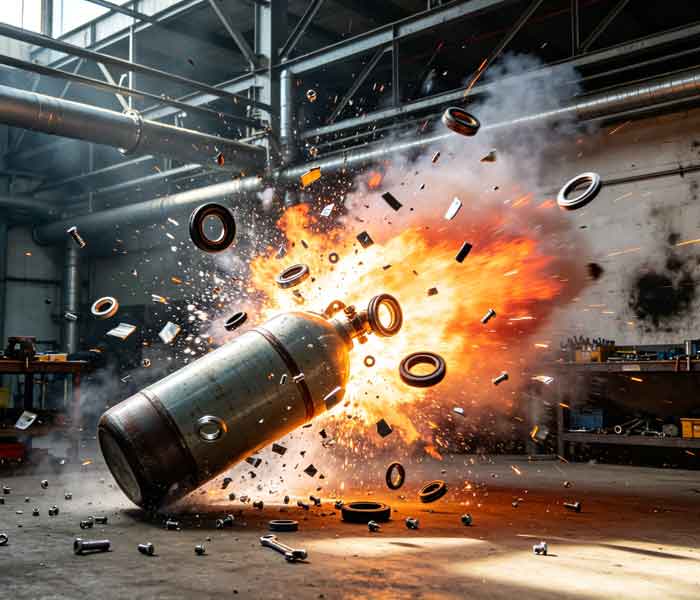
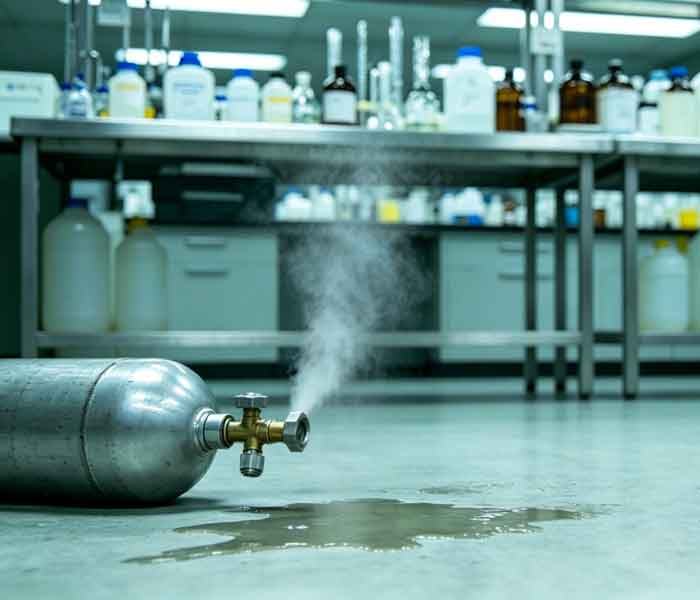
Cylinders pose multiple hazards:
High-pressure explosions
Risk of asphyxiation in case of leaks
Injury from manual handling

PEM generators minimize these risks by producing hydrogen at low pressure, storing minimal amounts, and incorporating automated safety interlocks.
H2BYEAST Solutions
H2BYEAST offers laboratory-grade PEM hydrogen generators designed for modern scientific applications. Key features include:
Whether your lab is upgrading existing infrastructure or building a new facility, H2BYEAST provides tailored solutions for on-demand hydrogen supply.
Consult our engineers to discuss your lab’s hydrogen requirements and receive a customized solution.
Conclusion
For laboratories in 2026 and beyond, PEM hydrogen generators represent a transformative shift in gas supply strategy. They provide:
Ultra-high-purity hydrogen
Enhanced operational safety
On-demand, convenient gas production
Compact, space-saving design
Long-term cost efficiency
By adopting PEM technology, laboratories can modernize workflows, improve analytical reliability, and ensure a safer working environment. As research demands grow and precision becomes ever more critical, integrating a PEM hydrogen generator is not just a choice—it is a strategic necessity.
With H2BYEAST solutions, your laboratory can embrace the future of hydrogen gas generation: safer, cleaner, and fully optimized for advanced scientific research.
No responses yet